If you want a Seattle neighborhood that feels connected to nature, daily errands, and city access all at once, Phinney Ridge stands out fast. You get a ridge-top setting, a strong local business district, and easy access to some of the city’s best-known outdoor destinations. If you are thinking about buying or selling here, understanding how the neighborhood actually lives day to day can help you make a smarter move. Let’s dive in.
What sets Phinney Ridge apart
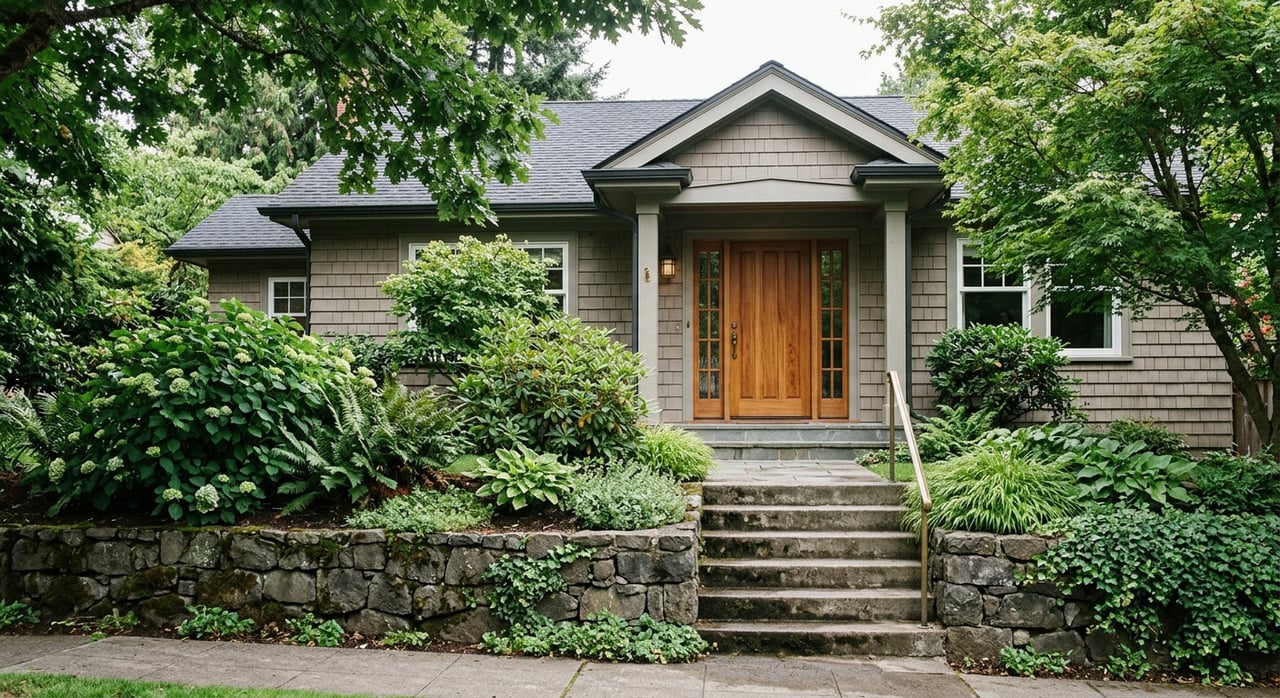
Phinney Ridge has a distinct setting that shapes how the neighborhood feels. Seattle’s Greenwood/Phinney Ridge neighborhood plan describes tree-lined streets, pedestrian- and bicycle-friendly routes, public view corridors, and a varied housing stock. That combination gives the area a residential feel without cutting you off from daily convenience.
The neighborhood’s main commercial spine follows Greenwood Avenue North and Phinney Avenue North. According to the city plan, services run from Woodland Park Zoo north to North 105th Street. In practical terms, that means you can move between quieter residential blocks and everyday shops, restaurants, and services without going far.
There is also a real sense of place here. Seattle historical records connect the neighborhood name to Guy Phinney, who bought land on the ridge and down toward Green Lake in the late 1880s and installed a streetcar line to Fremont. That history helps explain why Phinney Ridge still feels shaped by both topography and access.
Outdoor access defines daily life
One of the biggest draws of Phinney Ridge is how closely it connects you to major Seattle green space. If your ideal weekend includes walking, biking, picnicking, or just getting outside without planning a whole day around it, this location checks a lot of boxes.
Green Lake is close at hand
Green Lake Park is one of Seattle’s most-used urban parks. Seattle Parks says its 2.8-mile paved inner loop is one of the city’s busiest car-free trails. The park also offers boating, athletic fields, picnicking, swimming, and wildlife viewing.
For many residents, that means Green Lake is not just a destination. It becomes part of the weekly routine. Whether you want a quick morning loop or a longer afternoon outside, having that park nearby adds real lifestyle value.
Woodland Park Zoo anchors the south end
Woodland Park Zoo sits directly next to the neighborhood at 5500 Phinney Ave N. The zoo says it spans 92 acres and houses more than 800 animals across 250 species. That makes it one of the area’s most recognizable landmarks and a major neighborhood asset.
For buyers, this kind of amenity can help define how a neighborhood feels over time. For sellers, it is part of the larger lifestyle story that makes Phinney Ridge memorable to people comparing north Seattle neighborhoods.
Woodland Park expands the green space
The outdoor appeal goes beyond the zoo itself. Seattle Parks notes that Woodland Park sits southwest of Green Lake and includes picnic space, open areas, and the Woodland Park Rose Garden. The Rose Garden, established in 1922, adds another historic and scenic piece to the neighborhood’s recreation mix.
Taken together, Green Lake, Woodland Park, the zoo, and the rose garden create a rare concentration of nearby outdoor destinations. That is a big reason Phinney Ridge often appeals to buyers looking for a neighborhood that supports everyday activity, not just weekend plans.
PhinneyWood brings walkability and community
A neighborhood is not just about homes and parks. It is also about where you grab coffee, meet friends, browse local shops, or spend a few hours on a weekend. In Phinney Ridge, much of that rhythm centers on the PhinneyWood Business District.
The Phinney Neighborhood Association says the district serves businesses in both Phinney Ridge and Greenwood through a network of 350 businesses. It also supports community events, public art, classes, and a neighborhood paper. That tells you something important: this is not just a strip of storefronts, but a local hub with civic energy.
Local events add texture
The district’s Art Walk turns shops, cafés, restaurants, and bars into a two-mile walkable gallery. Bite of PhinneyWood was also created to showcase 20 neighborhood restaurants and cafés. These events help show what buyers often want to know before choosing an area: does the neighborhood feel active and connected?
Seattle’s neighborhood plan reinforces that identity. It calls for pedestrian-friendly main streets, benches, plantings, and easy access to commercial areas and open space. That kind of planning matters because it supports the experience people want from a walkable neighborhood over the long term.
Getting around from Phinney Ridge
Location matters, but so does how you move through it. Phinney Ridge offers a mix of transit, bike connections, and neighborhood streets that support different routines.
Metro Route 5 runs from Shoreline Community College to downtown Seattle via Greenwood Ave N, and King County Metro lists Phinney Ridge among the communities it serves. Route 62 adds another useful north Seattle connection through Green Lake, Wallingford, South Lake Union, and downtown Seattle.
For many buyers, especially those balancing in-office days with hybrid work, those transit options can be a meaningful part of the neighborhood decision. You may not need every trip to start in a car.
Bike and rolling access is improving
Seattle Department of Transportation completed the 6th Ave NW Neighborhood Greenway in 2024. The city says it improves safe access for people walking, biking, and rolling. Its south end connects to a crossing signal at NW 43rd St across Leary Way NW, which is a popular access point to the Burke-Gilman Trail from Phinney Ridge.
That is a useful detail if you want better bike connectivity without living directly on a major corridor. It adds to the neighborhood’s appeal for people who want more ways to get around north Seattle.
Housing character on the ridge
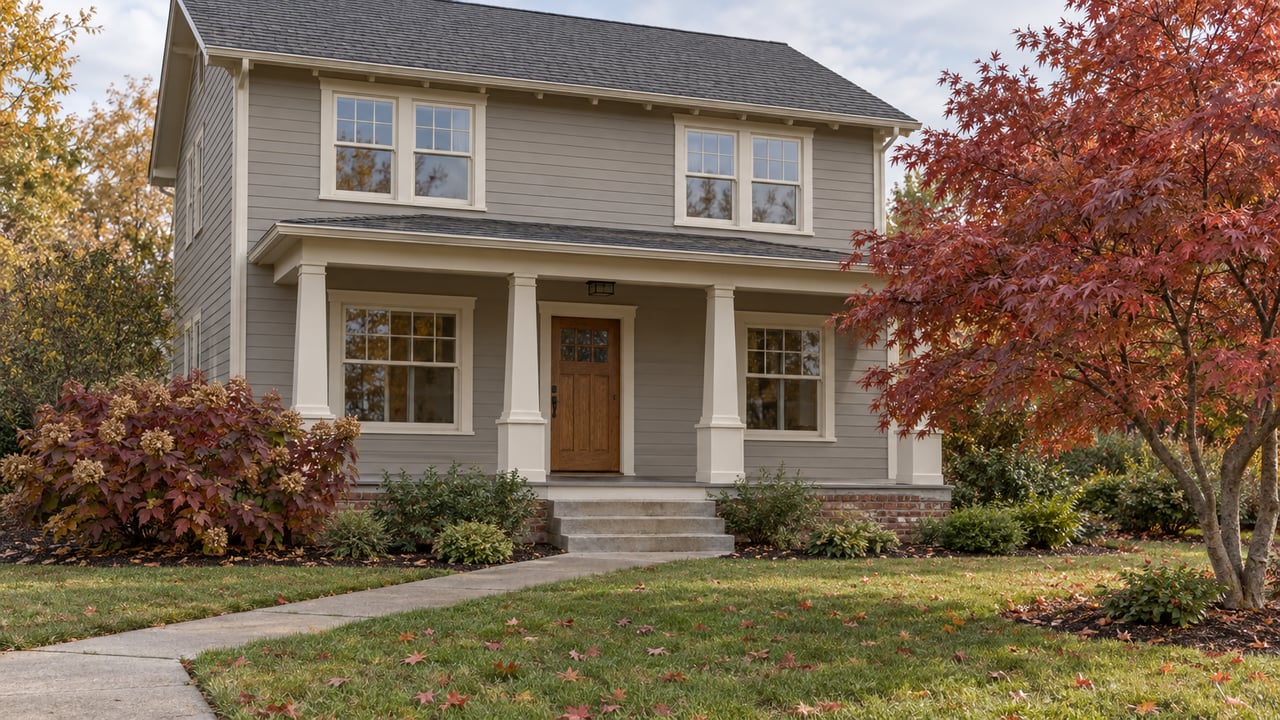
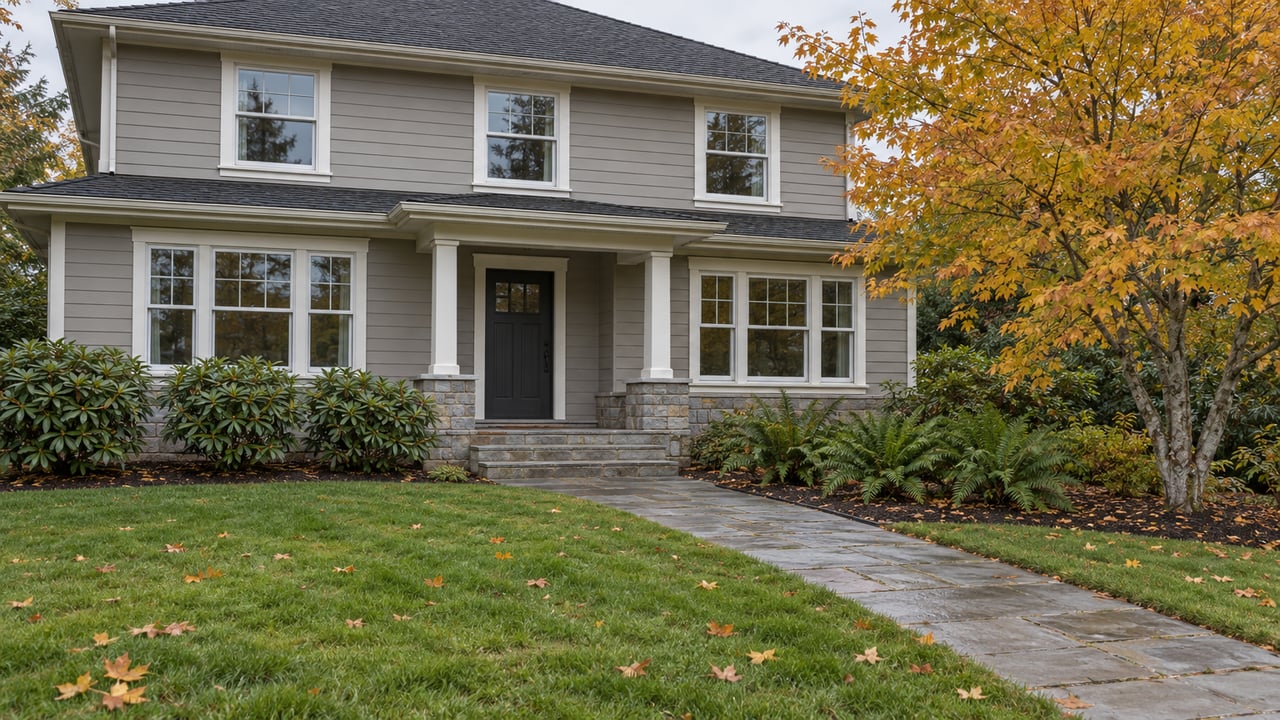
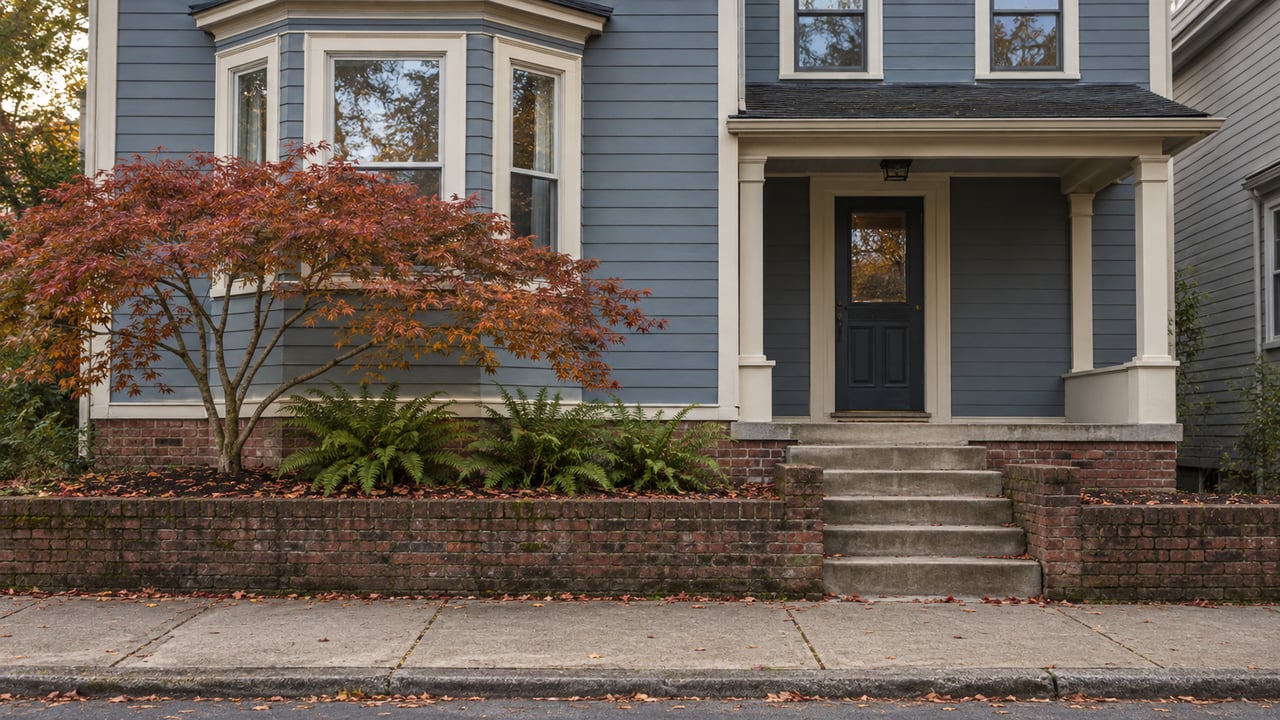
Phinney Ridge has a housing mix that reflects both its age and its ongoing appeal. Seattle’s neighborhood plan points to varied housing stock, while also calling for preservation of original structures and facades and compatibility with existing single-family areas.
That helps explain why the neighborhood often feels visually cohesive even as housing types vary. You can see the value of continuity in the streetscape, especially where older homes remain intact alongside updated properties.
Early homes shape the streetscape
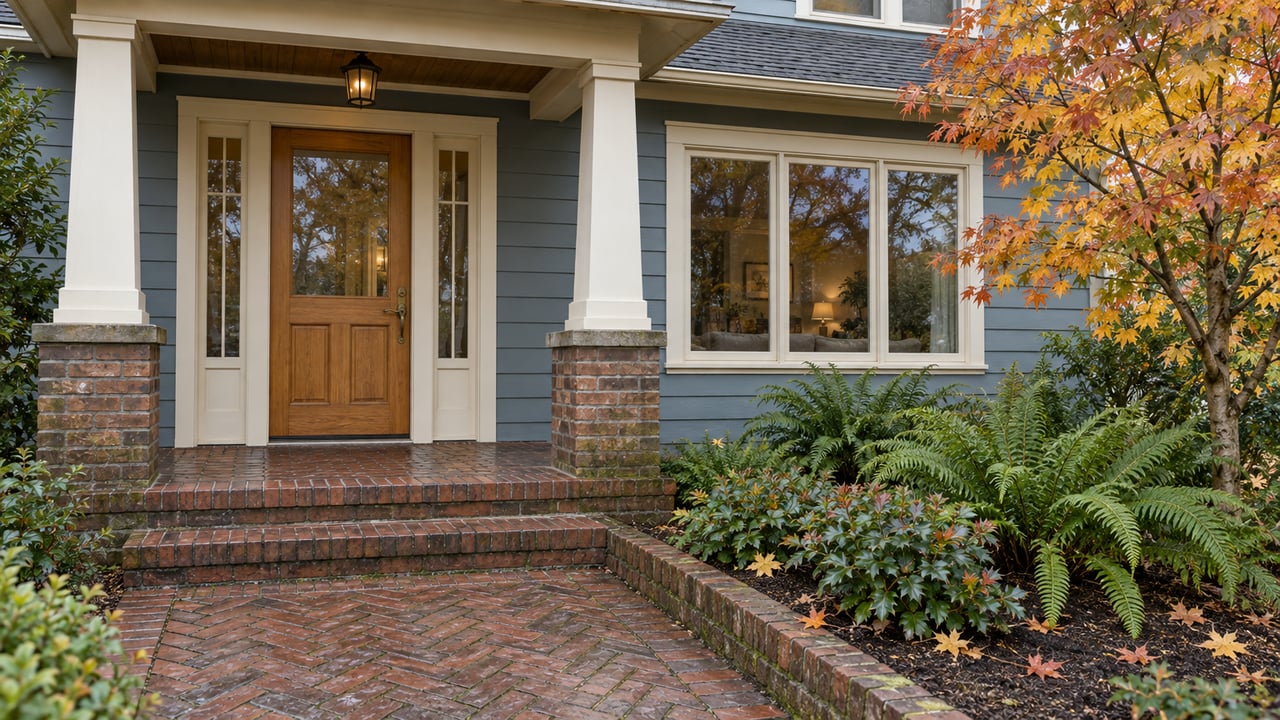
City historical-site records highlight well-preserved early-20th-century Craftsman homes in the area. Examples include a 1909 Phinney Avenue residence with clinker brick and a cut-away porch, and a 1917 Phinney Avenue bungalow with a recessed porch and exposed rafters.
Those details matter because they give the neighborhood architectural texture. If you are buying, they can help you understand why certain blocks feel especially established. If you are selling, the original design character of a home may be an important part of how it is positioned in the market.
What buyers should keep in mind
Phinney Ridge can appeal to several types of buyers at once. Some are drawn to the proximity to Green Lake and Woodland Park. Others care most about the neighborhood business district, transit access, or the character of older homes.
When you evaluate homes here, it helps to think beyond square footage. Consider how often you would use the park system, how important walkability is to your routine, and whether you prefer classic architectural character or a more updated feel. In a neighborhood with strong identity, lifestyle fit matters just as much as the property itself.
What sellers can highlight
If you are preparing to sell in Phinney Ridge, the neighborhood story is a real asset. Buyers are often responding to a combination of location, housing character, and daily convenience. That means marketing should capture more than bedrooms and baths.
A strong listing strategy can emphasize access to Green Lake, Woodland Park Zoo, and the PhinneyWood business district, while also showing the design details that make a home feel connected to the neighborhood. For homes with original character, thoughtful presentation can help buyers understand both charm and function.
This is also the kind of neighborhood where pre-listing improvements may benefit from a selective approach. Instead of overdoing updates, it is often more useful to identify the changes that support value while preserving what makes the home feel authentic to the area.
Why local guidance matters here
Phinney Ridge is easy to like, but it is not one-size-fits-all. The blocks, home styles, and access points can create very different experiences from one property to the next. That is why neighborhood-level guidance matters.
When you work with a team that understands north Seattle micro-markets, you can look at a home in the context of lifestyle, resale, condition, and improvement potential. That is especially valuable in a neighborhood where location within the neighborhood can shape how a property lives.
Whether you are planning a move, preparing to list, or trying to decide if Phinney Ridge fits your goals, a clear strategy makes all the difference. If you want thoughtful guidance on buying, selling, valuation, or pre-sale improvements in north Seattle, connect with theodora cornelia.
FAQs
What is Phinney Ridge known for in Seattle?
- Phinney Ridge is known for its ridge-top setting, tree-lined streets, access to Green Lake and Woodland Park Zoo, and the PhinneyWood business district along Greenwood Avenue North and Phinney Avenue North.
What parks and outdoor spots are near Phinney Ridge?
- Phinney Ridge is close to Green Lake Park, Woodland Park, Woodland Park Zoo, and the Woodland Park Rose Garden, giving you access to trails, open space, boating, picnics, and other outdoor activities.
What is the PhinneyWood Business District in Phinney Ridge?
- The PhinneyWood Business District is the neighborhood’s local commercial and civic hub, with shops, cafés, restaurants, events, public art, classes, and community programming serving Phinney Ridge and Greenwood.
How do you get around from Phinney Ridge?
- Phinney Ridge is served by Metro Route 5 on Greenwood Ave N and Route 62 through Green Lake, Wallingford, South Lake Union, and downtown Seattle, and it also has improved bike and rolling access through the 6th Ave NW Neighborhood Greenway.
What kind of homes are in Phinney Ridge?
- Phinney Ridge includes varied housing stock, with notable early-20th-century homes such as Craftsman and bungalow styles, along with a neighborhood character shaped by preservation and compatibility with existing residential areas.