If you want a newer home in northwest Seattle but keep getting stuck between price, location, and day-to-day livability, Crown Hill deserves a closer look. For many buyers, a new townhome here can offer a practical middle ground between Ballard’s higher price point and Greenwood’s lower one, while still giving you a walkable urban setting. The key is knowing what to look for before you write an offer, especially when newer construction can vary a lot from one project to the next. Let’s dive in.
Why Crown Hill appeals to townhome buyers
Crown Hill is being shaped as a Seattle urban village, and that matters when you are buying a home here. City planning documents describe a future focused on walkability, neighborhood character, pedestrian safety, and growth that fits the area over time. In real life, that means you are shopping in a neighborhood where redevelopment is part of the local story, not an exception.
For buyers, that can create opportunity. Current listing snapshots suggest Crown Hill often lands between Ballard and Greenwood on both price and walkability, which may make it appealing if you want newer housing in northwest Seattle without stretching to Ballard pricing. That does not make it a bargain market, but it can make it a smart one for buyers who want balance.
What new Crown Hill townhomes look like
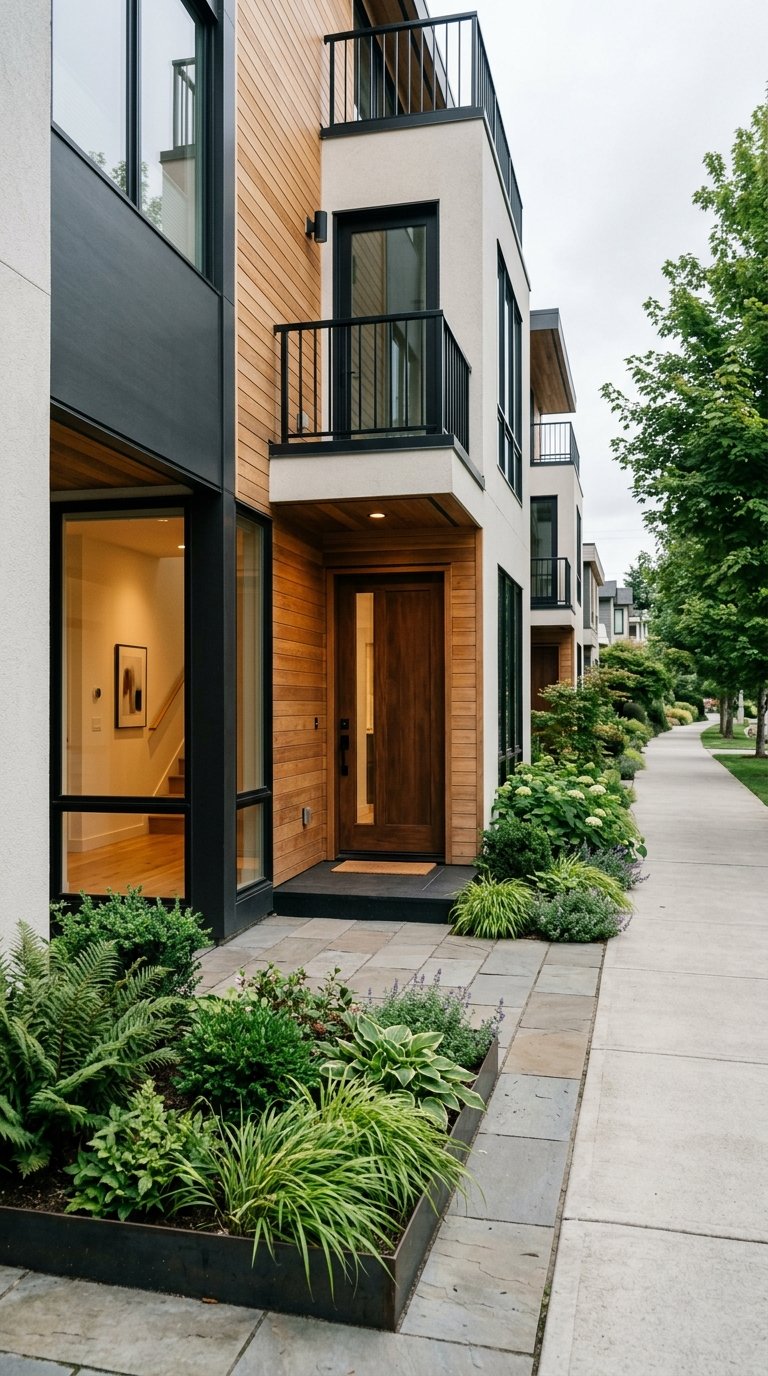
Most of the newer townhomes you will see in Crown Hill fit Seattle’s general townhouse pattern: no more than three stories and a separate entrance. That setup usually attracts buyers who want a more house-like feel than a typical condo offers, while still keeping the footprint manageable. It also means your daily life may be spread across multiple levels, so layout matters as much as square footage.
Recent new-construction examples in Crown Hill show a fairly consistent design language. You will often find open-concept kitchens and living spaces, 2 to 3 bedrooms, 2 to 4 bathrooms, and roughly 1,100 to 2,050 square feet. Many also include a top-floor primary suite or another more private upper-level retreat.
You may also see features that help a home feel more turnkey from day one. Rooftop decks, in-unit laundry, air conditioning, and dedicated storage show up often in newer listings. These are the details that can make a real difference once you move in, especially if you work from home, entertain, or need room for gear.
Parking can change the value equation
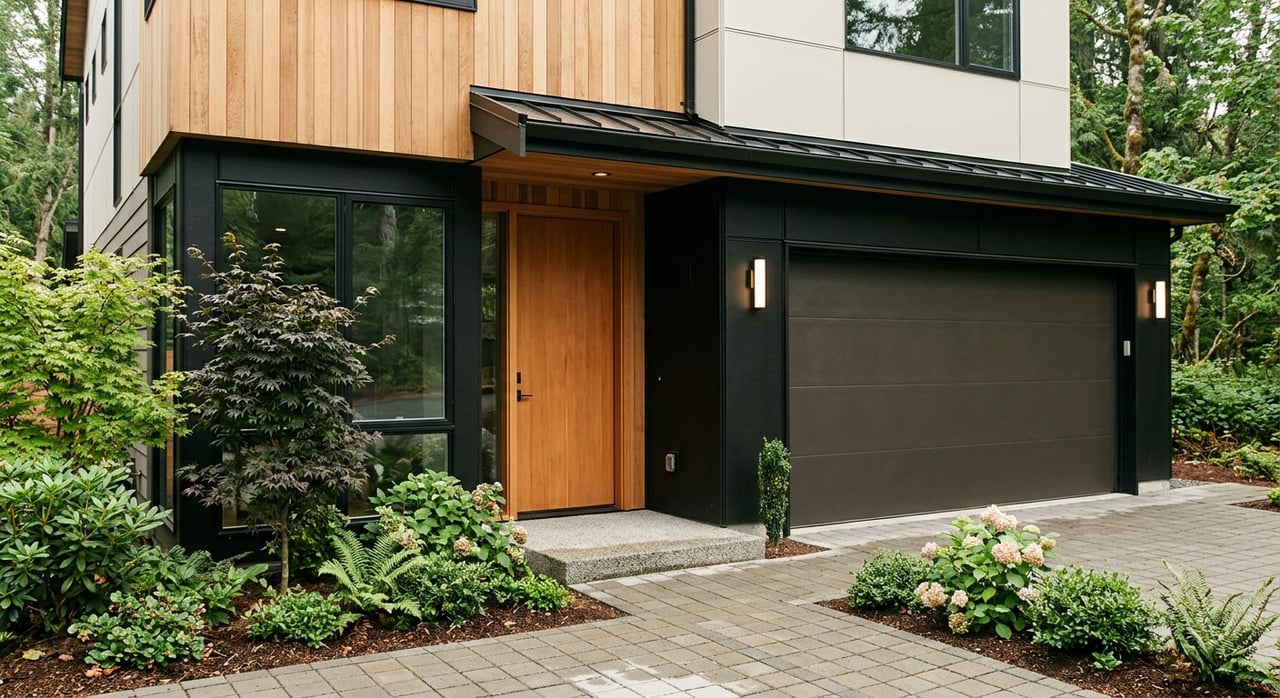
In Crown Hill, parking is not just a nice extra. It can be one of the biggest factors that separates one townhome from another. Recent examples have included private one-car garages, off-street parking pads, covered parking, designated spaces, and even EV-ready charging.
That variety is exactly why you should ask detailed questions before assuming a home comes with the kind of parking you want. In Seattle, parking rules can be zone-specific, and a listing may not tell the full story. You will want to confirm whether the space is deeded, assigned, or simply available on site.
If you own a car, want future EV charging, or expect guests to visit regularly, this step matters. A pretty kitchen is easy to notice during a showing, but parking logistics can affect your daily life and future resale just as much.
Fee simple or HOA-governed matters
One of the first questions to ask when buying a new Crown Hill townhome is whether the home is fee simple or part of an HOA-governed community. That distinction shapes your monthly costs, disclosures, and day-to-day rules. It can also affect how you compare two homes that look similar at first glance.
Some newer projects may advertise no HOA dues, while others operate with HOA-style ownership rules and monthly charges. If there are dues, they are usually paid directly to the association rather than through your mortgage servicer. You should count them as part of your true monthly housing cost along with principal, interest, taxes, insurance, mortgage insurance, and any supplemental insurance.
In Washington, many newer common-interest communities are also subject to disclosure and reserve study requirements. Buyers should expect information about assessments, finances, reserve funding, and governing rules. That paperwork can tell you a lot about how the property is managed and whether the monthly dues are supporting the long-term health of the community.
Questions to ask before you buy
A smart townhome purchase usually comes down to asking the right questions early. In Crown Hill, these are some of the most useful ones to bring up with your agent and review team:
- Is the townhome fee simple or HOA-governed?
- What exactly do the monthly dues cover?
- Are there current or upcoming assessments?
- How strong are the reserves?
- Are parking spaces deeded, assigned, or informal?
- What rules apply to pets, rentals, or EV charging?
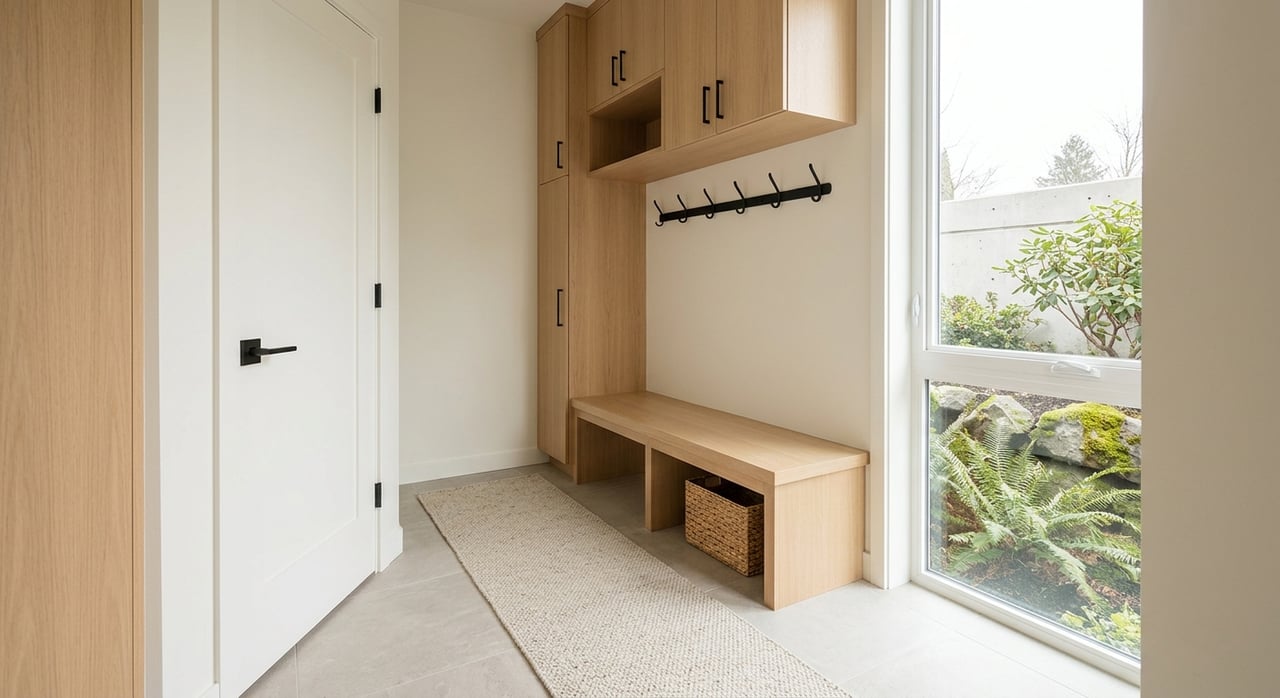
- Is there dedicated storage, and is it private or shared?
These questions are not just paperwork details. They help you understand what you are buying, what it will cost to own, and how flexible the property will be if your needs change later.
Why inspections still matter on new construction
It is easy to assume a brand-new townhome does not need much scrutiny. In Washington, though, home inspectors perform a visual, non-invasive inspection of readily accessible systems and components, including the roof, foundation, exterior, heating, air conditioning, structure, plumbing, and electrical. The state also notes that an inspection does not guarantee against future problems.
That is exactly why a pre-close inspection is still worth doing. New construction can look polished while still having items that deserve another set of eyes. A careful inspection gives you a better understanding of the home’s current condition before closing, not after you move in.
In Crown Hill, there are a few areas that deserve extra attention. The building envelope and site conditions are especially important, including roof decks, flashing, windows, drainage, grading, downspouts, shared walls, garage doors, and EV charging infrastructure. Those items can influence both near-term maintenance and long-term durability.
Drainage and site conditions deserve a close look
This is one area where local context really matters. Seattle Public Utilities says parts of Crown Hill experience street flooding and sewer backups, and neighborhood stormwater work is intended to address those conditions. That does not mean every property has a problem, but it does mean drainage should be part of your due diligence.
When you tour a townhome, pay attention to how the site handles water. Look at grading, downspout placement, roof runoff, and how lower-level entries or garage areas are positioned. If the home has a rooftop deck or complex exterior transitions, details like flashing and water management become even more important.
This is also where local guidance can make a real difference. A buyer-focused strategy is not just about winning the home. It is about understanding how the home is likely to perform after closing.
Think beyond the finishes
New townhomes often photograph beautifully, and that can make it tempting to focus on surface-level appeal. But the features that tend to hold value over time are usually the practical ones. In Crown Hill, off-street parking, flexible lower-level space, useful storage, and transparent HOA operations can matter as much as stylish tile or a dramatic light fixture.
Try to picture how you will use the home on a regular Tuesday, not just how it feels during a 20-minute showing. Is there a spot for strollers, bikes, luggage, tools, or outdoor gear? Does the lower level work as an office, guest space, or workout room if your needs shift later?
This kind of thinking can help you buy with both lifestyle and resale in mind. In a neighborhood positioned between higher-priced Ballard and lower-priced Greenwood, practical utility may be one of the reasons Crown Hill continues to stand out for many buyers.
How to buy with more confidence
Buying a new townhome in Crown Hill is not only about finding the right floor plan. It is about understanding the tradeoffs between price, walkability, parking, ownership structure, and construction details. When you look at those pieces together, you can make a much clearer decision.
That is where a consultative approach helps. If you have support that combines financing fluency with a sharp eye for layout, storage, construction details, and future value, you are better equipped to compare homes that may seem similar online but feel very different in practice. In a neighborhood with ongoing redevelopment, that kind of local, detail-driven guidance matters.
If you are thinking about buying a townhome in Crown Hill and want help evaluating layout, monthly costs, resale factors, and offer strategy, connect with theodora cornelia. You will get clear, local guidance built around how you actually want to live.
FAQs
What makes Crown Hill attractive for new townhome buyers?
- Crown Hill offers a walkable urban village setting in northwest Seattle and often appears to sit between Ballard and Greenwood on both price and walkability, which can appeal to buyers looking for balance.
What features are common in new Crown Hill townhomes?
- Many newer Crown Hill townhomes include open-concept living areas, 2 to 3 bedrooms, 2 to 4 bathrooms, about 1,100 to 2,050 square feet, and features like rooftop decks, air conditioning, in-unit laundry, and storage.
Why does parking matter when buying a Crown Hill townhome?
- Parking can vary widely from one property to another, with options like garages, parking pads, covered spaces, assigned spaces, and EV-ready charging, so you should confirm exactly what is included and how it is documented.
What should buyers know about HOA dues in Washington townhome communities?
- Buyers should include HOA dues in their full monthly housing cost and review disclosures covering assessments, finances, reserve funding, and governing rules when a townhome is part of an HOA-governed community.
Should you get an inspection on a new Crown Hill townhome?
- Yes, because Washington inspections are visual and non-invasive and do not guarantee against future issues, so a pre-close inspection can still help you evaluate the roof, exterior, systems, drainage, shared walls, and other important details.
Why are drainage and water management important in Crown Hill?
- Seattle Public Utilities says parts of Crown Hill experience street flooding and sewer backups, so buyers should pay close attention to grading, downspouts, roof decks, flashing, and how the site manages water.