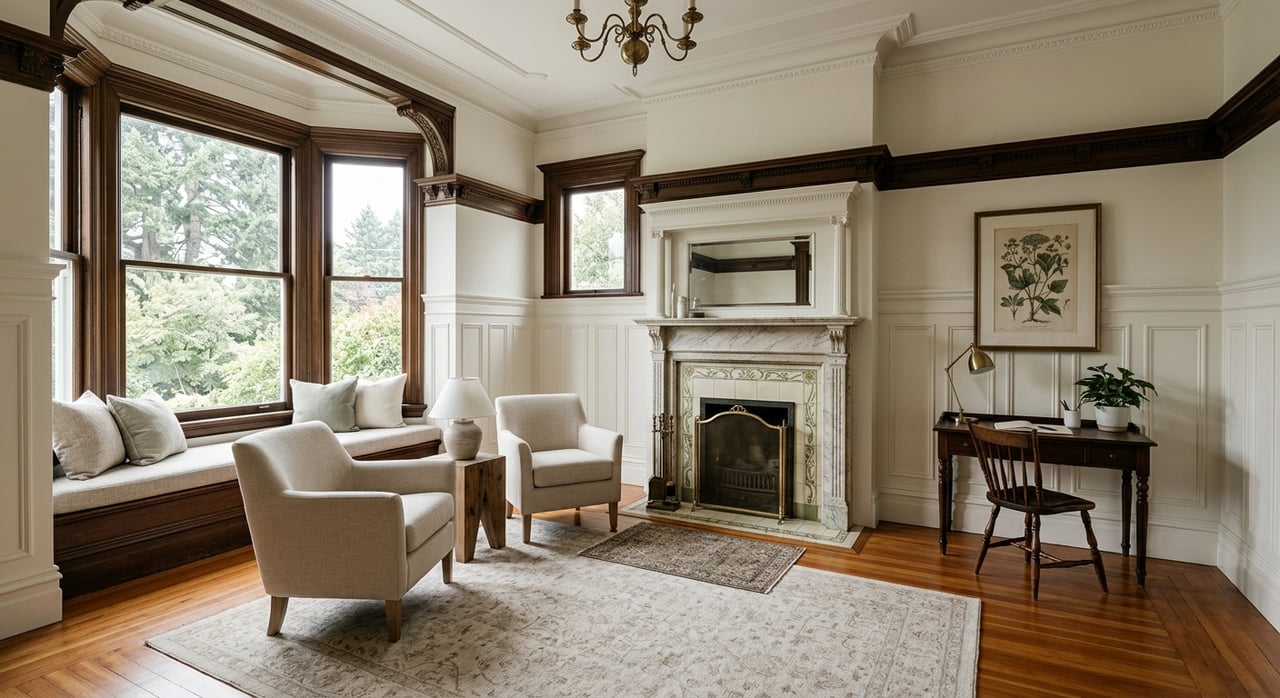
Are you getting ready to sell a Queen Anne home and wondering how much staging is actually worth it? In a neighborhood known for historic charm, steep streets, and memorable views, the best staging plan is usually not about doing more. It is about doing the right things so buyers notice the architecture, the light, and the livability of the home. Here’s how to stage a Queen Anne home for maximum impact without losing what makes it special.
Why Queen Anne staging is different
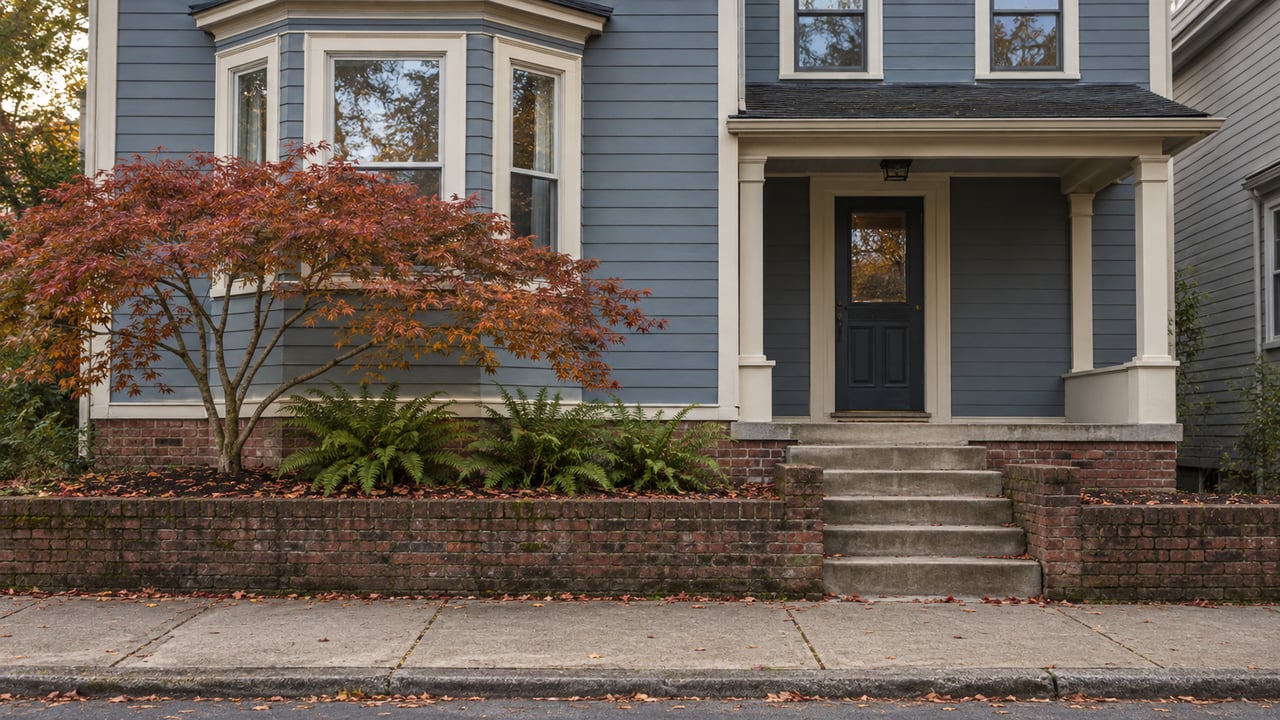
Queen Anne is one of Seattle’s oldest residential neighborhoods, with a built environment shaped by steep topography, close-in city access, territorial and water views, and a mix of single-family, multifamily, and commercial development. Its identity is closely tied to distinctive domestic architecture and a human-scaled sense of place. That means your staging plan should work with the home’s character, not flatten it into a generic look.
In practical terms, buyers need to quickly register the features that make a Queen Anne home stand out. That often includes windows, trim, fireplaces, staircases, and view corridors. When those details are hidden by visual clutter, heavy furniture, or bold finishes, the home can feel smaller and less memorable.
Focus on the highest-value staging tasks
If you want the biggest return on time and budget, start with the basics that matter most. According to NAR’s 2025 Profile of Home Staging, the most common pre-list improvements recommended were decluttering, whole-home cleaning, and curb appeal improvements. Those steps often do more for buyer perception than a long list of cosmetic changes.
The same report found that the rooms most commonly staged before listing were the living room, primary bedroom, dining room, and kitchen. That is a helpful guide for Queen Anne sellers. You do not always need to fully stage every room to make the home feel polished and market-ready.
Start with these priorities
- Declutter every room
- Deep clean the whole home
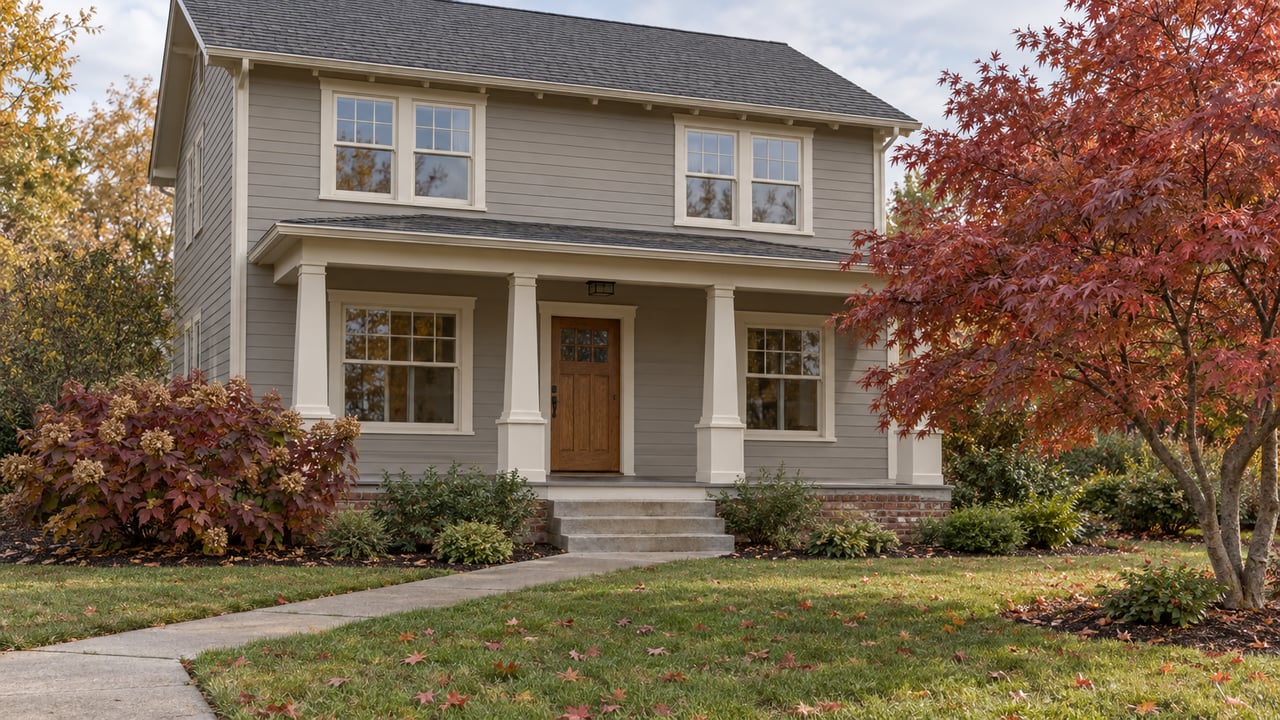
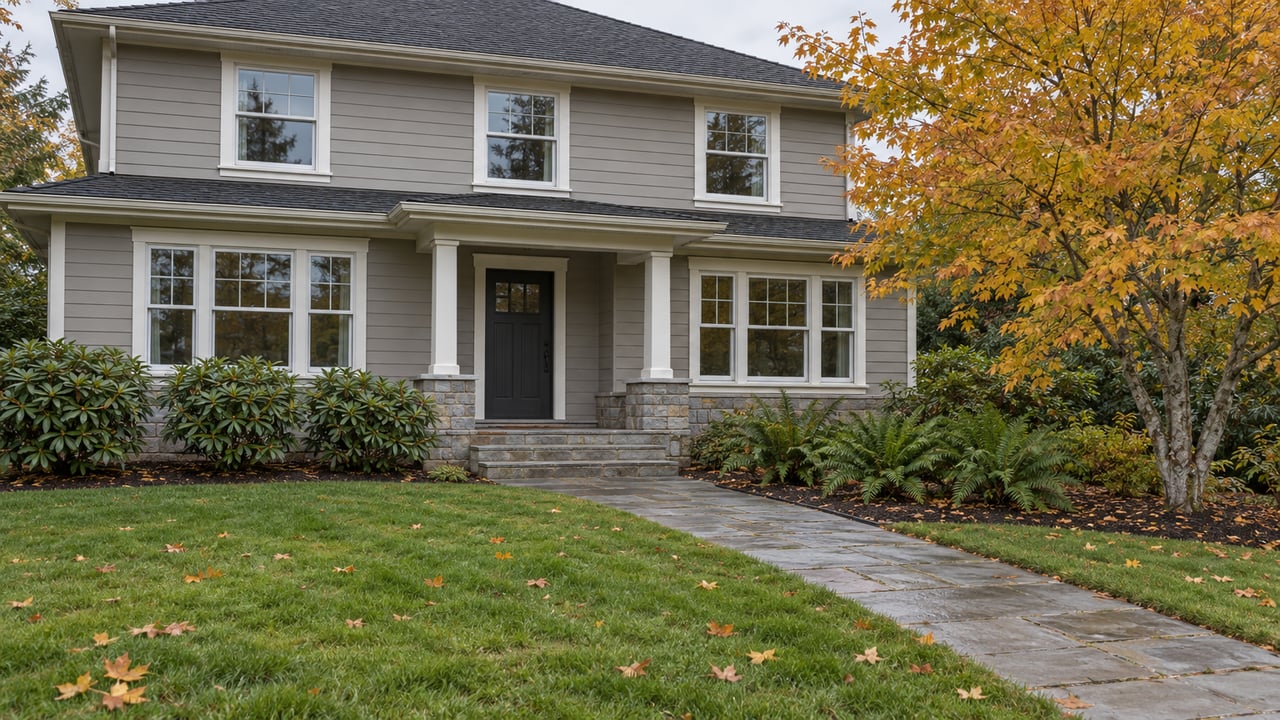
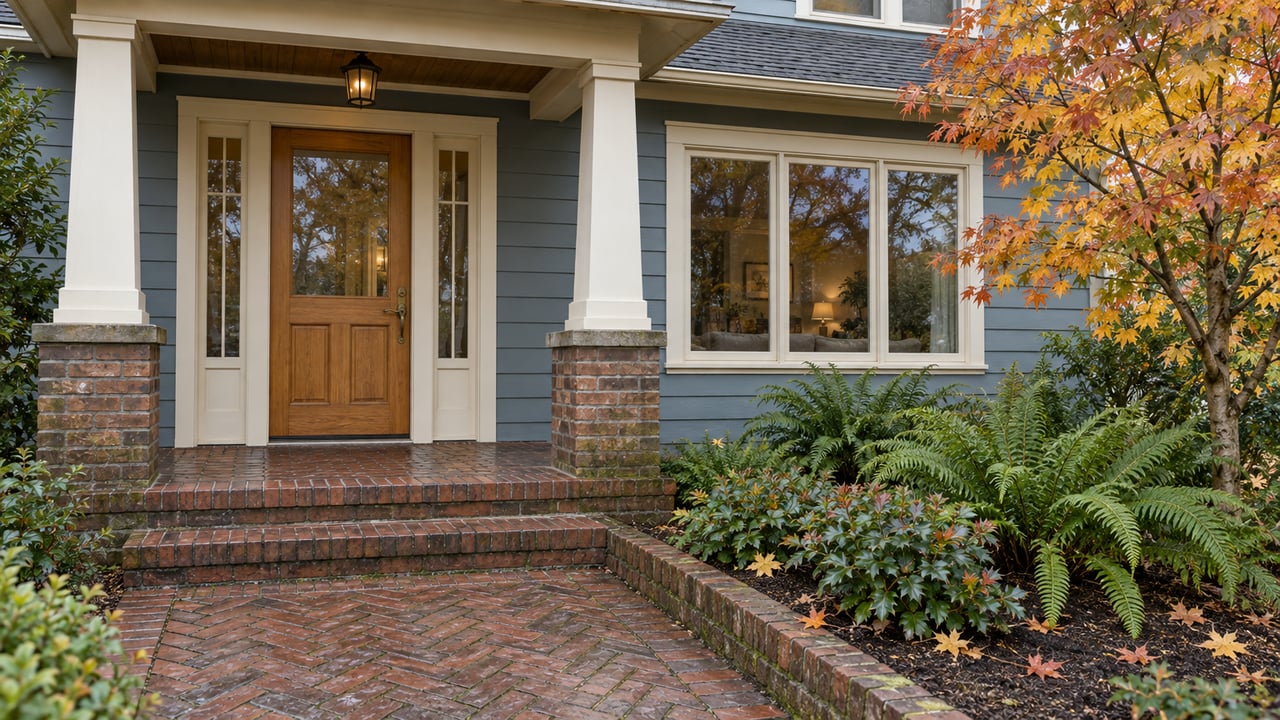
- Improve curb appeal
- Touch up paint where needed
- Update small details like light fixtures or cabinet hardware
- Stage the main photo rooms first
This selective approach is especially useful in Queen Anne, where architecture and light often do a lot of the selling for you.
Let the architecture lead
Many Queen Anne homes have details that buyers want to see clearly. Original trim, fireplaces, stair railings, tall windows, and period millwork can create an immediate emotional connection. Your staging should support those features rather than compete with them.
That usually means scaling back. Oversized sectionals, too many accent pieces, dark drapery, and strong wallpaper patterns can pull attention away from the room itself. A lighter, more edited presentation helps buyers understand the size, flow, and personality of the home.
What to tone down
- Bold wall colors
- Busy wallpaper or layered patterns
- Heavy or dark window coverings
- Large furniture that blocks circulation
- Excess decor on mantels, built-ins, and stair landings
A calm palette can help the home feel brighter and more spacious while keeping the original character in view.
Stage for photos first
Most buyers will meet your home online before they ever walk through the front door. NAR reports that photos, staging, video tours, and virtual tours are among the listing elements buyers’ agents say matter most. That makes the visual presentation of your home especially important from day one.
For Queen Anne listings, this means every key room should read clearly in photos. The eye should move easily from the doorway to the windows, fireplace, or view. If the room looks crowded in person, it will usually look even tighter in listing photos.
The best rooms to stage first
Based on current staging research, these rooms deserve the most attention:
- Living room
- Primary bedroom
- Dining room
- Kitchen
If your budget is limited, start there. These spaces carry the most weight in photos and often shape a buyer’s first impression of the entire property.
Match the staging to the property type
Queen Anne includes more than one home style. You may be selling a classic detached house, a condo, a townhome, or a multifamily unit. Because of that, the same staging plan will not fit every listing.
In older single-family homes, the goal is often to highlight character while making the layout feel current and easy to understand. In smaller condos or multifamily units, the goal is often to make the scale legible. Buyers need to see how the space functions without feeling like the room is empty or undersized.
For condos and smaller spaces
Vacant homes can be harder for buyers to visualize, and they can even feel smaller. In these cases, partial staging or virtual staging may help define the room sizes and show how everyday living could work. A small dining setup, a properly scaled sofa, or a simple bed frame can make a big difference.
For flexible rooms
If you have a bonus room, corner nook, or awkward landing, give it one clear purpose. A simple work-from-home setup with good light and a usable surface is often enough. Buyers do not need to see every possible use. They just need to understand that the space is functional.
Don’t forget outdoor spaces
Outdoor staging matters, but in Queen Anne it is often less about large lawns and more about decks, terraces, balconies, and view-facing seating areas. Even a compact exterior space can help a listing feel more complete if it looks intentional and well cared for.
Clean surfaces, simple seating, and a tidy layout usually go further than heavy decorating. If a space has a view, make that the focal point. The setup should guide the eye outward, not distract from what buyers came to see.
Know when to repair and when to stop
Not every pre-sale project is worth doing. A smart pre-market plan usually starts with an agent walk-through to identify the likely buyer and the home’s strongest selling points. From there, a stager can help decide what stays, what goes, and which rooms deserve furniture or styling.
A contractor is most useful when ordinary prep work will improve buyer perception or reduce friction later. That can include drywall repair, paint, lighting, cabinet hardware, caulking, flooring transitions, and curb appeal fixes. Expensive upgrades are not always necessary if the home already has strong architecture and good presentation.
A practical order of operations
- Walk the home with your agent
- Identify the target buyer and key selling features
- Declutter and deep clean
- Complete high-impact repairs and touch-ups
- Stage the main rooms
- Photograph the home once everything is ready
This sequence helps you spend where it counts and avoid doing work that adds stress without adding value.
Be careful with historic rules
If your property is a designated landmark or located within one of Seattle’s historic districts, certain exterior-visible work may require a Certificate of Approval before permits are issued. Seattle notes that this can apply to some new construction, major site changes, and in some cases even minor exterior remodeling or painting in historic districts.
That does not usually affect interior staging, but it can matter if you are considering exterior changes before listing. If you are planning visible updates to paint, landscaping, or other exterior elements, it is worth asking that question early. It is much easier to sort that out before photos are scheduled.
How much staging is enough?
For most Queen Anne sellers, enough staging means selective staging, not a full-home overhaul. The strongest results often come from cleaning, decluttering, small cosmetic improvements, and thoughtful staging in the rooms that matter most. This approach aligns with current staging research and preserves the personality that buyers expect in a Queen Anne home.
NAR’s 2025 reporting also found that about 83% of buyers’ agents said staging made it easier for buyers to visualize the property as their future home. About 30% of professionals attributed a 1% to 10% increase in home value to staging. While every listing is different, that data reinforces a simple point: thoughtful presentation can make a measurable difference.
If you want to maximize impact, do not aim for a generic finish. Aim for a clean, calm, photo-ready version of your home that lets the architecture and lifestyle do the talking. If you’re preparing to sell in Queen Anne and want thoughtful guidance on staging, presentation, and value-focused updates, connect with theodora cornelia.
FAQs
How much staging does a Queen Anne home usually need before listing?
- Most Queen Anne homes benefit most from selective staging focused on decluttering, deep cleaning, curb appeal, and the main living spaces rather than full-home staging.
Which rooms matter most when staging a Queen Anne home for sale?
- The living room, primary bedroom, dining room, and kitchen are the rooms most commonly staged and usually have the biggest impact in listing photos and buyer impressions.
Should a vacant Queen Anne condo be staged with furniture?
- Often, yes. Vacant homes can be harder for buyers to visualize and may feel smaller, so partial staging or virtual staging can help show scale and function.
Can you update a historic Queen Anne home without losing its character?
- Yes, the best approach is usually to preserve visible architectural details while reducing visual clutter and making light cosmetic improvements that help buyers see the home clearly.
Do exterior changes to a Queen Anne historic property need approval?
- If the property is a designated landmark or in one of Seattle’s historic districts, some exterior-visible work may require a Certificate of Approval before permits, so it is smart to check early.