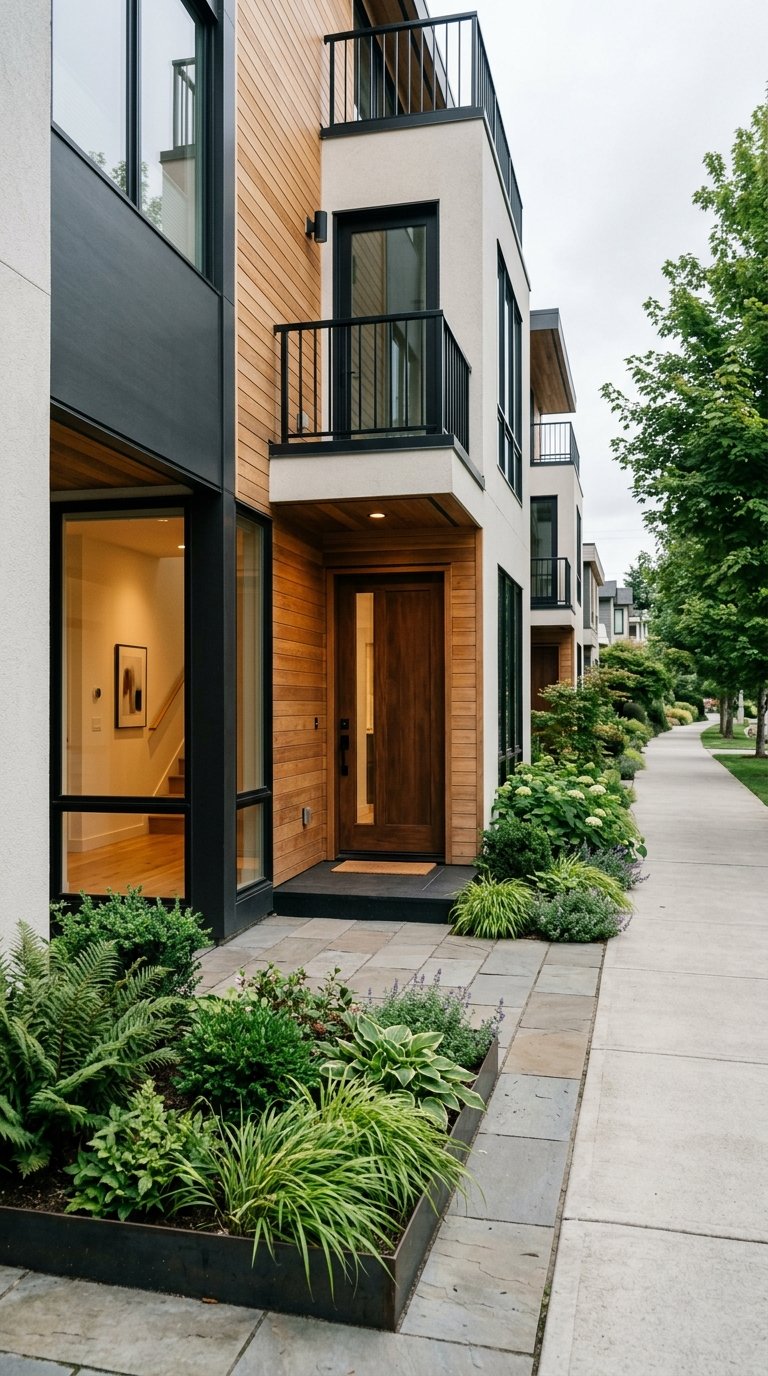
Looking for a Seattle neighborhood where you can do more on foot, by bike, or by bus? Central Ballard stands out for exactly that reason. If you want a lifestyle built around easier errands, simpler commutes, and more time spent enjoying your neighborhood, this pocket of Ballard is worth a close look. Let’s dive in.
Why Central Ballard Works Car-Light
The best way to describe Central Ballard is car-light, not fully car-free. That distinction matters because many daily needs are close together, but some trips will still feel easier with a car. For many buyers, that balance is exactly the point.
Along Ballard Avenue NW, the area has a Walk Score of 95, Transit Score of 53, and Bike Score of 95. Nearby transit includes bus lines 40, 44, 17, and the D Line. In practical terms, that means a lot of your everyday routine can happen without driving.
The strongest car-light experience is centered on the Ballard Ave NW and NW Market St spine. This is where you see the tightest mix of shops, groceries, transit access, dining, and civic spaces. It is also part of what gives Central Ballard its distinct rhythm and convenience.
Seattle notes that Ballard Avenue was once Ballard’s central business district and main arterial before Market Street took on that role. Today, the district includes boutiques, artists’ studios, galleries, and other active uses. That historic main-street pattern still shapes how easy the neighborhood feels to navigate day to day.
Daily Errands Feel Manageable
One of the biggest tests of a car-light neighborhood is simple: can you handle groceries and small errands without turning every task into a major trip? In Central Ballard, the answer is often yes. Multiple full-service grocery options are part of what makes the area feel functional, not just charming.
Current store locations include Safeway at 1423 NW Market St, PCC Ballard at 1451 NW 46th St, QFC Ballard at 915 NW 45th St, and Trader Joe’s Ballard at 4609 14th Ave NW. That range gives you flexibility for weekly shopping, quick restocks, and specialty items. You are not relying on a single store or one corner of the neighborhood.
That kind of choice can make a real difference in how you live. If you are comparing Ballard with other Seattle neighborhoods, this grocery mix supports a more convenient routine. It helps turn walkability into something practical.
Weekend Routines Stay Local
A car-light lifestyle works best when your weekends can stay close to home too. In Ballard, the farmers market adds another layer to that experience. It makes errands, fresh food shopping, and casual neighborhood time easy to combine.
The Ballard Farmers Market takes place every Sunday from 9 a.m. to 2 p.m. on Ballard Ave NW between Vernon Pl NW and 22nd Ave NW. For many residents, that creates a built-in weekend pattern. You can grab produce, pick up a few staples, and enjoy time in the neighborhood without planning a separate outing.
This kind of routine is part of what gives Central Ballard its appeal. It is not only about convenience on paper. It is also about how naturally daily life can unfold when services and social spaces are clustered together.
Civic Amenities Add Everyday Ease
Car-light living is easier when public spaces and essential services are nearby. Central Ballard offers a strong civic core that supports daily life beyond shopping and restaurants. That helps the neighborhood feel complete.
The Ballard Branch of The Seattle Public Library is located at 5614 22nd Ave NW. It includes 24/7 book returns, public computers, Wi-Fi, study rooms, bike parking, and access by public transit. For residents who value nearby work, study, or library access, that is a meaningful part of the neighborhood’s convenience.
Ballard Commons Park adds outdoor space right in the municipal center. The park features a skate bowl, spray park, public art, seating, and ADA-accessible walkways. Nearby services also include the Neighborhood Service Center, which reinforces the area’s role as a practical day-to-day hub.
Ballard Community Center and Ballard Pool further support a no-car routine. These facilities offer classes, childcare, sports, swim lessons, and other recreation opportunities. For buyers thinking about daily quality of life, these nearby options matter just as much as restaurants or retail.
Transit Connections Support Commutes
For many people, the biggest question is not grocery shopping. It is whether a neighborhood can support regular trips to work or other key destinations. Central Ballard performs well here because of its bus connections.
King County Metro Route 40 runs through Ballard, Fremont, South Lake Union, and Downtown Seattle. Stops include NW Market St & Ballard Ave NW and 15th Ave NW & NW 85th St. That makes Route 40 especially relevant if your routine includes downtown or South Lake Union.
The RapidRide D Line connects Crown Hill, Ballard, Interbay, Uptown, and Downtown Seattle. Route 44 adds an important east-west connection between Ballard, Wallingford, the University District, and UW Station. Together, these lines give Central Ballard more than one useful transit option.
That is an important distinction. A neighborhood feels more reliable without a car when you are not depending on one single route. Ballard’s transit network gives you alternatives, which can make daily planning more flexible.
Biking Expands Your Range
Transit is only part of the picture. In Ballard, biking also plays a major role in how residents get around. If you like the idea of expanding your reach without driving, that adds real value.
Seattle says the Burke-Gilman Trail runs east from Golden Gardens Park in Ballard and is one of the city’s most heavily used pedestrian and bicycling facilities. That gives residents an established route for longer bike trips and everyday transportation. It also supports the neighborhood’s strong Bike Score.
Seattle’s Route 40 transit-plus corridor improvements are also intended to make it easier to walk, bike, and ride the bus through Ballard and Fremont. That matters if you are evaluating how well the neighborhood supports different ways of moving through the city. In Central Ballard, the non-driving network extends beyond buses alone.
Dining and Entertainment Are Close By
A neighborhood can be convenient, but still feel incomplete if you need to leave for fun. Central Ballard stands out because its dining and entertainment options are woven into the same area that supports everyday routines. That creates a fuller lifestyle experience.
Visit Seattle describes Ballard as a vibrant waterfront neighborhood with seafaring and Scandinavian heritage. Highlights include the National Nordic Museum, the Ballard Locks, Majestic Bay Theatres, Tractor Tavern, and Conor Byrne Pub. These destinations help explain why Ballard often appeals to buyers who want activity close to home.
Seattle also describes the Ballard Avenue Landmark District as a preserved streetscape where modest commercial buildings, street-level retail, and upper-floor residences create a small-town main-street feeling within a dense city neighborhood. That mix gives the area texture. You can head out for dinner, a movie, or live music without making it a major trip.
Outdoor Access Strengthens the Lifestyle
A car-light neighborhood feels even better when outdoor destinations are part of the routine. In Ballard, Golden Gardens Park adds that dimension. It gives residents a way to pair daily convenience with shoreline access and open space.
Seattle Parks says Golden Gardens offers beach access, shoreline strolls, forest trails, fishing from a pier, a boat launch, picnic sites, and views of Puget Sound and the Olympic Mountains. For many residents, that broadens what a neighborhood-based lifestyle can look like. You can stay locally rooted while still enjoying some of Seattle’s best outdoor scenery.
This is part of what makes Ballard especially appealing. The neighborhood is not just efficient. It also offers variety, from historic commercial streets to waterfront recreation.
What Buyers Should Keep in Mind
If you are considering Central Ballard, it helps to set the right expectation. This is not a promise that every trip will be easiest without a car. It is a neighborhood where many daily needs and many popular destinations can be handled without depending on one.
That makes Central Ballard especially compelling for buyers who value walkability, nearby transit, and a more neighborhood-centered routine. Condos, townhomes, and homes near the Ballard Ave NW and NW Market St spine may offer the most direct access to that lifestyle pattern. The closer you are to the amenity core, the more naturally car-light living tends to work.
At Theodora Cornelia Homes, we help buyers look beyond a listing’s square footage and into how a neighborhood functions in real life. If you are weighing Ballard against other north and northwest Seattle neighborhoods, we can help you compare commute patterns, day-to-day convenience, and the kind of home that best supports your routine. When you are ready to talk through your move, connect with theodora cornelia.
FAQs
What does car-light living in Central Ballard really mean?
- Car-light living in Central Ballard means many daily errands, outings, and some commutes can be done on foot, by bike, or by transit, even though some trips may still be easier with a car.
What part of Ballard is best for a car-light lifestyle?
- The strongest car-light experience is generally along the Ballard Ave NW and NW Market St spine, where groceries, transit, dining, and civic amenities are clustered most closely together.
What grocery stores support car-light living in Ballard?
- Central and near-central Ballard has several full-service grocery options, including Safeway, PCC Ballard, QFC Ballard, and Trader Joe’s Ballard.
What transit options connect Ballard to Downtown Seattle and South Lake Union?
- King County Metro Route 40 connects Ballard with Fremont, South Lake Union, and Downtown Seattle, while the RapidRide D Line also connects Ballard with Downtown through Interbay and Uptown.
What makes Central Ballard feel convenient for daily life?
- Central Ballard combines grocery stores, the Ballard Farmers Market, library access, parks, community recreation, dining, entertainment, and multiple transit options within a relatively compact area.