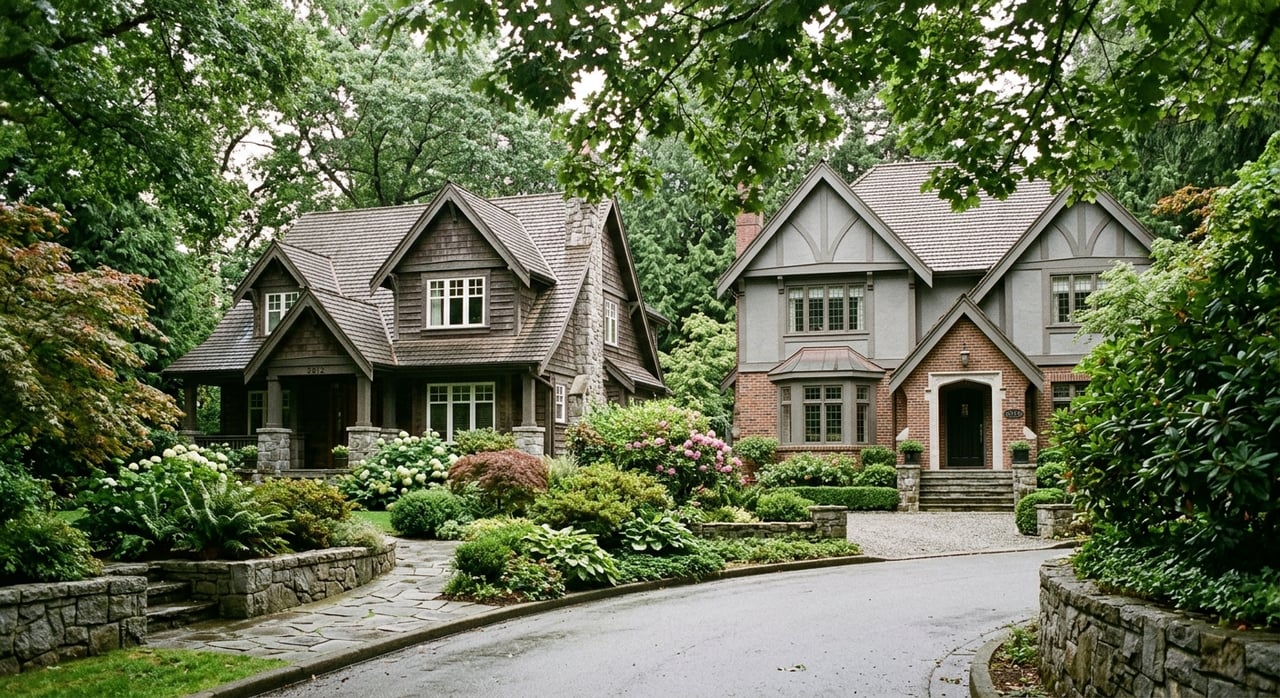
If Magnolia feels different from the rest of Seattle, that is because it is. With Discovery Park covering 560 acres on Magnolia Bluff and the neighborhood’s peninsula setting creating natural edges, Magnolia often feels less like one uniform district and more like a collection of smaller pockets with distinct day-to-day rhythms. If you are trying to figure out where you fit within Magnolia, this guide will help you understand the micro-neighborhoods around Discovery Park and what each one tends to offer. Let’s dive in.
Why Magnolia Breaks Into Smaller Pockets
Discovery Park shapes Magnolia in a very real way. As Seattle’s largest park, it takes up much of former Fort Lawton and includes protected beaches, meadows, forests, streams, dunes, and broad mountain and water views.
That geography changes how the neighborhood lives. Magnolia is also topographically distinct and somewhat isolated from the rest of Seattle, with only a handful of main crossings connecting it outward. For you as a buyer or seller, that often means location within Magnolia matters almost as much as Magnolia itself.
The City Clerk atlas indexes Magnolia into Briarcliff, Lawton Park, and Southeast Magnolia. While those are indexing terms rather than a formal buyer map, they help explain why people often talk about Magnolia in smaller, practical sub-areas.
Bluff-Side Streets and Magnolia Boulevard
If you picture Magnolia as a scenic, elevated waterfront neighborhood, you are probably picturing this edge. Magnolia Boulevard runs along a green strip with bluff views, and the area is closely tied to some of Magnolia’s best-known outlooks over Puget Sound and the surrounding shoreline.
From a buyer perspective, this pocket is often about views, exposure, and scarcity. There are only so many bluff-adjacent sites, and that limited land supply helps explain why this part of Magnolia can feel especially premium within an already high-priced neighborhood.
You may find this area appealing if your top priorities include:
- Water or territorial views
- A more dramatic setting
- Quiet residential streets
- A strong sense of separation from busier commercial blocks
For sellers, bluff-side positioning can shape marketing strategy in a major way. Presentation, photography, and timing matter more when a home’s value story depends on light, outlook, and the relationship between the home and the landscape.
Village-Adjacent Blocks Near West McGraw
If daily convenience matters most, the blocks around West McGraw Street and 34th Avenue West tend to be the easiest place to start. This is where Magnolia’s small retail district developed, and it remains the part of the neighborhood most associated with errands, local services, and a bit more day-to-day activity.
Magnolia Community Center sits at the west edge of Magnolia Village on the Magnolia Playfield, and the facility was renovated in 2025. That civic anchor reinforces the practical feel of this part of the neighborhood.
This pocket can be a strong fit if you want:
- Easier access to Magnolia’s commercial core
- A more routine-friendly location
- Nearby community amenities
- A balance between residential living and everyday convenience
For many buyers, this area offers a middle ground. You still get Magnolia’s distinct character, but with less of the secluded feel found closer to Discovery Park’s northwest edge.
Park-Edge Living in Lawton Park
Northwest Magnolia and the Lawton Park area are often where the park-centered version of Magnolia feels most obvious. Since much of former Fort Lawton became Discovery Park, homes near this pocket tend to feel closely tied to trails, woods, and open space.
Seattle Parks describes nearby Lawton Park as a scenic neighborhood park with trails, grassy lawns, woods, and access paths. Combined with Discovery Park next door, that gives this area a stronger nature-first identity than many other parts of north Seattle.
If you are drawn to privacy and open space, this may be the Magnolia pocket that stands out most. Buyers often look here when they want a setting that feels tucked away and less tied to the neighborhood’s retail core.
A few qualities that define this area include:
- Close proximity to Discovery Park
- A quieter, more secluded feel
- Stronger emphasis on trails and outdoor access
- Less dependence on village-adjacent activity
That said, it helps to think honestly about your routine. If you want to be near the park every day, this area can be compelling. If you want to grab errands quickly on foot and stay near Magnolia’s central activity, another pocket may fit better.
Interior Plateau and Residential Blocks
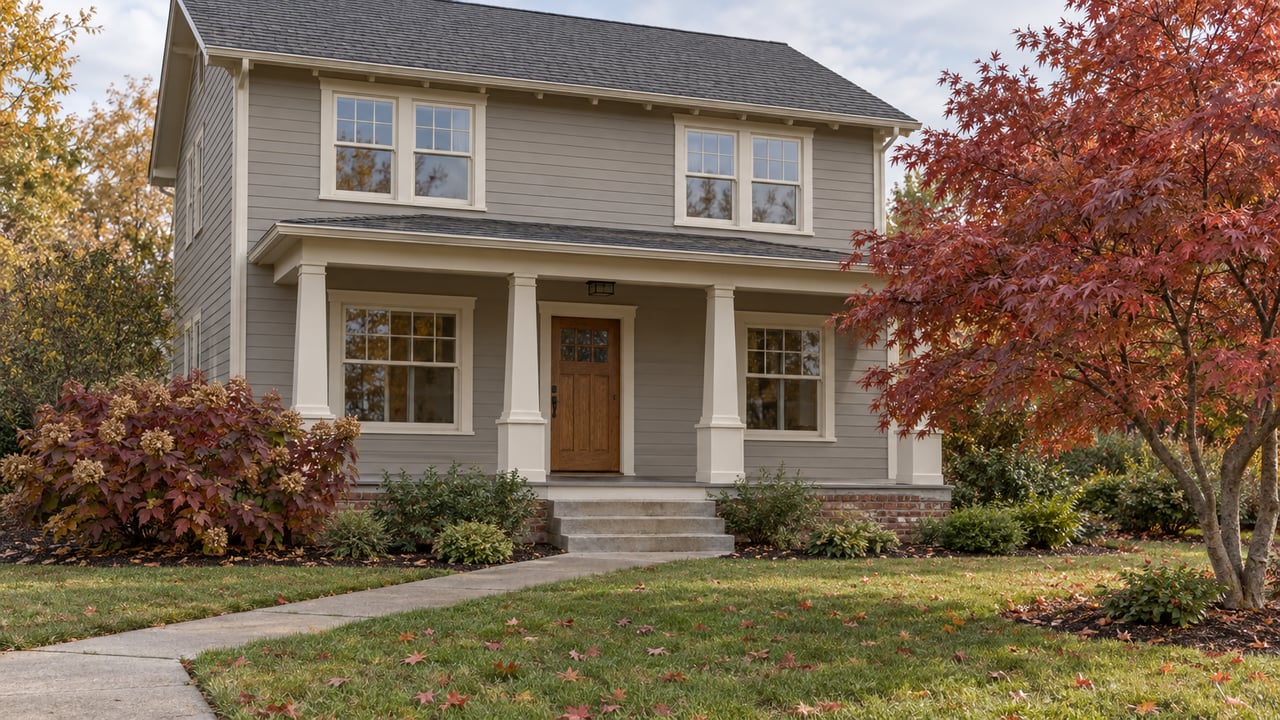
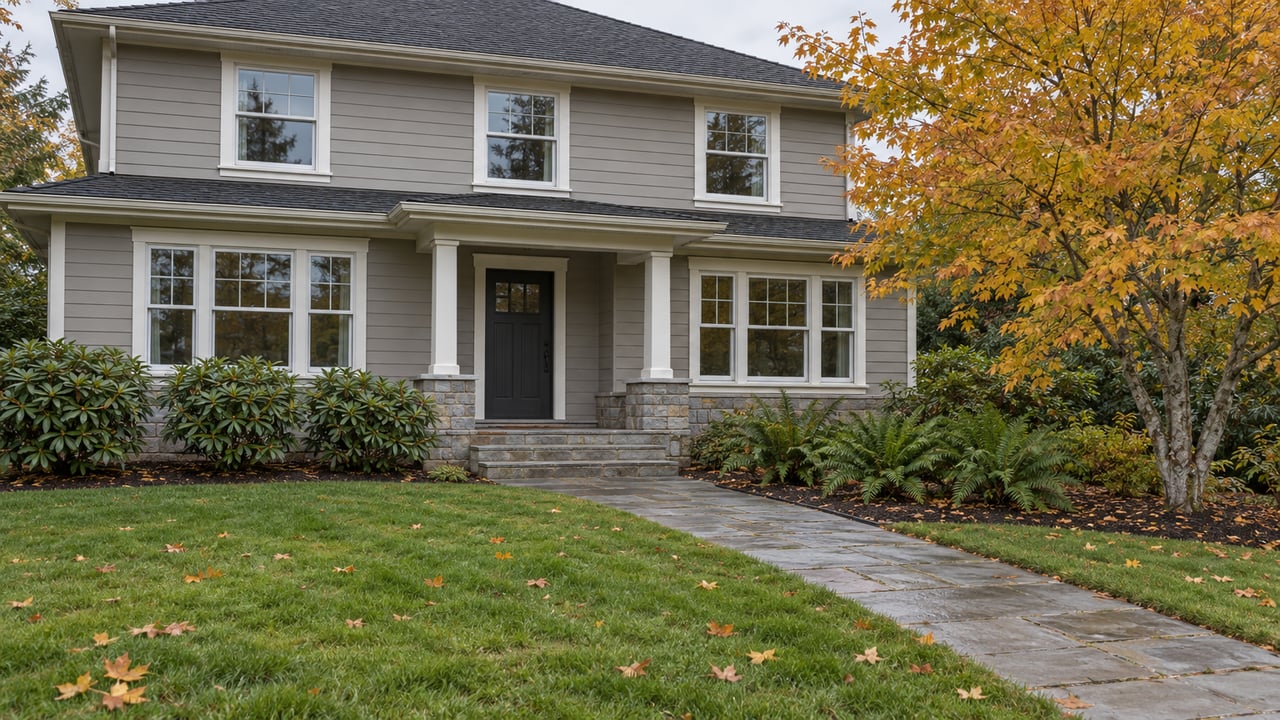
Not every Magnolia buyer wants a bluff lot or direct park edge. The interior plateau and calmer residential blocks often appeal to buyers who want a traditional single-family setting with a quieter street presence.
Historic documentation notes two north-south ridges and a valley along 34th Avenue West, and the blocks around the library were largely built after World War II. Many of these homes sit on larger parcels and reflect 1950s and 1960s single-family development patterns.
That history still shows up in how the area feels today. Compared with the village core, these streets can read as more residential and lower-key, while still keeping you relatively close to Magnolia amenities.
This part of Magnolia may be a fit if you want:
- Larger lots than denser in-city areas
- A classic post-war residential feel
- Less emphasis on view premiums
- A single-family setting close to neighborhood services
What Magnolia Housing Stock Means for Buyers
Magnolia’s housing mix is a big part of why these micro-neighborhoods feel the way they do. In the city’s selected housing characteristics, 85.2% of units were 1-unit detached, while attached housing and large apartment buildings made up a much smaller share.
That detached-home pattern helps Magnolia feel suburban in the city. It also means condo and attached-home inventory can be more limited than you may expect compared with some other Seattle neighborhoods.
For buyers, this affects both search strategy and expectations. If you are hoping for a specific home type, especially something attached or lower-maintenance, it is worth knowing early that Magnolia’s inventory tends to skew heavily toward detached homes.
Why Magnolia Often Commands Higher Prices
Magnolia sits in an upper price tier for north Seattle. Recent figures place Magnolia’s typical home value at $1,295,644, with homes pending in about 10 days, while Redfin’s May 2026 snapshot shows a median sale price of $1,325,554 and median days on market of 7.
For context, Seattle overall is lower at $871,599 in typical home value. Nearby comparisons in the research also place Interbay at $802,697, Loyal Heights at $982,504, and North Queen Anne at $1,129,776.
The headline is not just that Magnolia is expensive. The more useful takeaway is why: limited land, a mostly detached housing stock, bluff and view adjacency, and a setting that feels more self-contained than many nearby neighborhoods.
For buyers, that means you should go in with a clear idea of your must-haves versus your nice-to-haves. For sellers, it means the market often rewards homes that clearly communicate their specific location story within Magnolia, not just the neighborhood name.
Daily Life Factors That Matter
Discovery Park is a major lifestyle draw, but there is one practical note to know right now. The Discovery Park Visitor Center is closed until summer 2027, though the park itself remains open.
Transportation and access also matter more here than in some other Seattle neighborhoods. Discovery Park is served by Metro routes 24 and 33, and Magnolia connects through four bridge crossings: Magnolia Bridge, West Dravus Street, West Emerson Place, and Fort Street Bridge.
Seattle Department of Transportation says it continues 24-hour monitoring and regular inspections on the Magnolia Bridge. Even so, Magnolia’s limited crossings and distinct geography mean commute planning, school runs, and everyday access patterns can play an outsized role in how a specific pocket feels to live in.
How to Choose the Right Magnolia Pocket
The best Magnolia micro-neighborhood for you depends less on the name and more on your routine. A beautiful bluff setting may be the wrong fit if convenience drives your week, while a village-adjacent location may not satisfy you if privacy and trail access are the real priority.
A simple way to narrow your search is to rank the four things you care about most:
- View potential
- Park access
- Daily convenience
- Traditional residential feel
Once you know that order, Magnolia usually starts to make more sense. Instead of searching the whole neighborhood as one bucket, you can evaluate it as a set of smaller markets with different strengths.
That kind of micro-market thinking also helps sellers. If you understand which Magnolia buyer is most likely to respond to your location, pricing, preparation, and marketing become much more precise.
Whether you are buying your first Magnolia home, moving up within north Seattle, or preparing to sell in one of these smaller pockets, working with a team that understands neighborhood nuance can make the process feel much clearer. If you want local guidance on Magnolia pricing, home prep, or which micro-area best fits your goals, connect with theodora cornelia.
FAQs
What are the main micro-neighborhoods around Discovery Park in Magnolia?
- The most practical buyer-facing pockets are the bluff-side streets near Magnolia Boulevard, the village-adjacent blocks around West McGraw Street and 34th Avenue West, the park-edge Lawton Park and northwest Magnolia area, and the quieter interior residential blocks on the plateau.
How does Discovery Park affect home searches in Magnolia?
- Discovery Park shapes Magnolia’s layout, access, and lifestyle appeal, which is why homes near the bluff, village, park edge, and interior streets often feel like different sub-markets rather than one uniform neighborhood.
What is the housing stock like in Magnolia, Seattle?
- Magnolia is still heavily made up of detached single-family homes, with city housing data showing 85.2% of units as 1-unit detached, which helps explain the neighborhood’s low-density feel and more limited condo or attached inventory.
Why are Magnolia home prices often higher than nearby areas?
- Magnolia tends to price above several nearby north Seattle areas because of its limited land, strong share of detached homes, bluff and view locations, and its self-contained peninsula setting.
What should buyers know about access in Magnolia?
- Magnolia’s geography makes access especially important because the neighborhood connects through a limited number of bridge crossings, so your commute, errands, and daily travel patterns can have a big impact on which pocket feels best for you.
Is Discovery Park open right now for Magnolia residents and visitors?
- Yes, Discovery Park remains open, but the Discovery Park Visitor Center is closed until summer 2027.