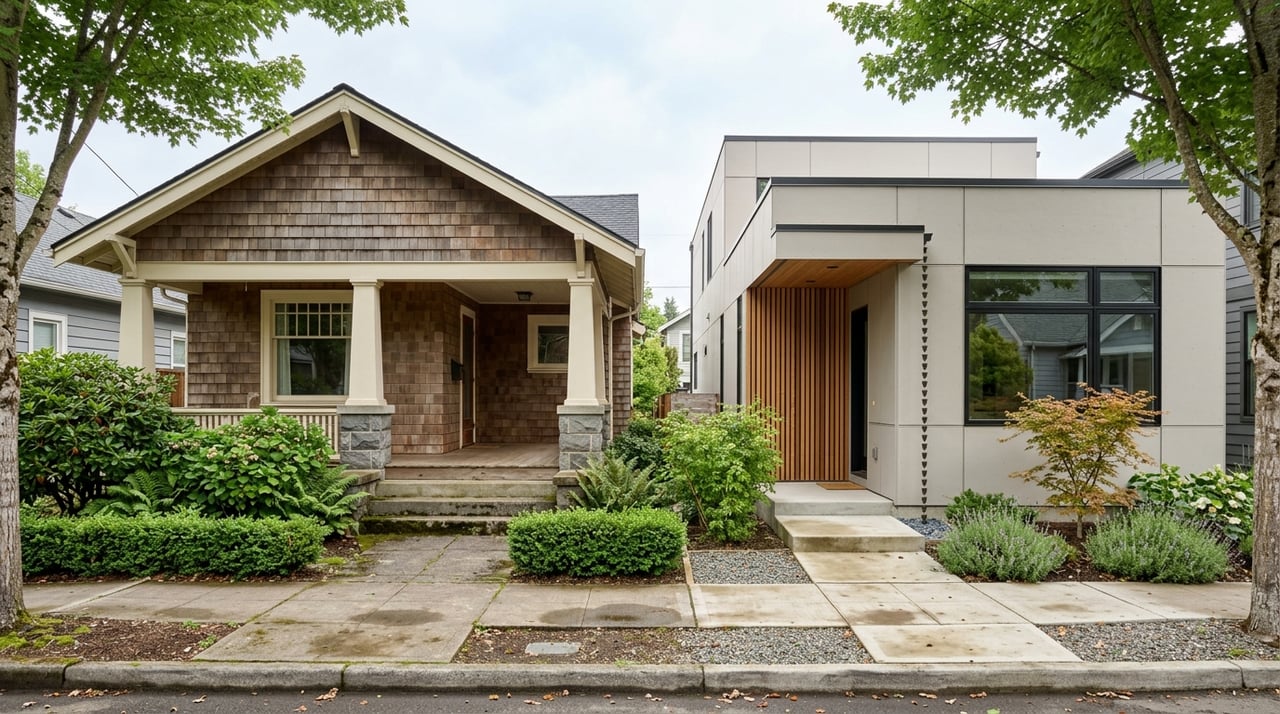
If you are torn between a charming Craftsman and a sleek newer townhome in Ballard, you are not alone. This Seattle neighborhood gives you a rare mix of preserved historic character, postwar practicality, and modern infill, all within one local market. Understanding how those home types differ can help you choose a property that fits your budget, maintenance comfort, and day-to-day lifestyle. Let’s dive in.
Why Ballard Offers Both
Ballard has layers of housing history, and that is a big part of its appeal. It was incorporated in 1890 and annexed to Seattle in 1907, and today Seattle treats Ballard as one of the city’s hub urban villages.
That planning framework helps explain why Ballard includes such a broad housing mix. City records describe residential Ballard as primarily single-family in its historic pattern, while also including multifamily, commercial, school, and church uses.
Ballard Avenue is the area’s preserved historic core. Seattle created the Ballard Avenue Landmark District in 1976, and the district includes buildings dating from the 1890s through the 1940s.
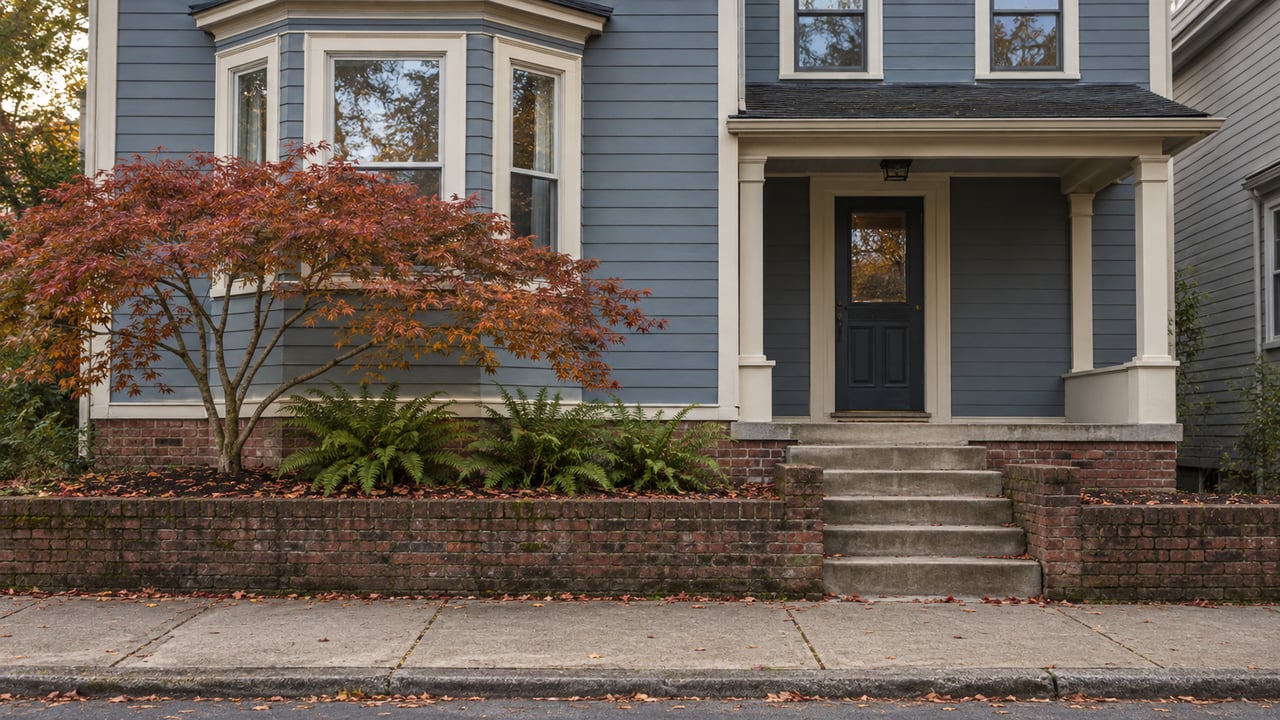
At the same time, Ballard has continued to evolve. Seattle historic-site records note that some modest older homes have been replaced by larger houses and multifamily buildings, which helps explain why you can find everything from early cottages to new condos in today’s Ballard market.
Historic Homes in Ballard
For many buyers, historic homes in Ballard feel personal in a way newer construction often does not. They tend to offer more distinct architectural detail and a less uniform look from one house to the next.
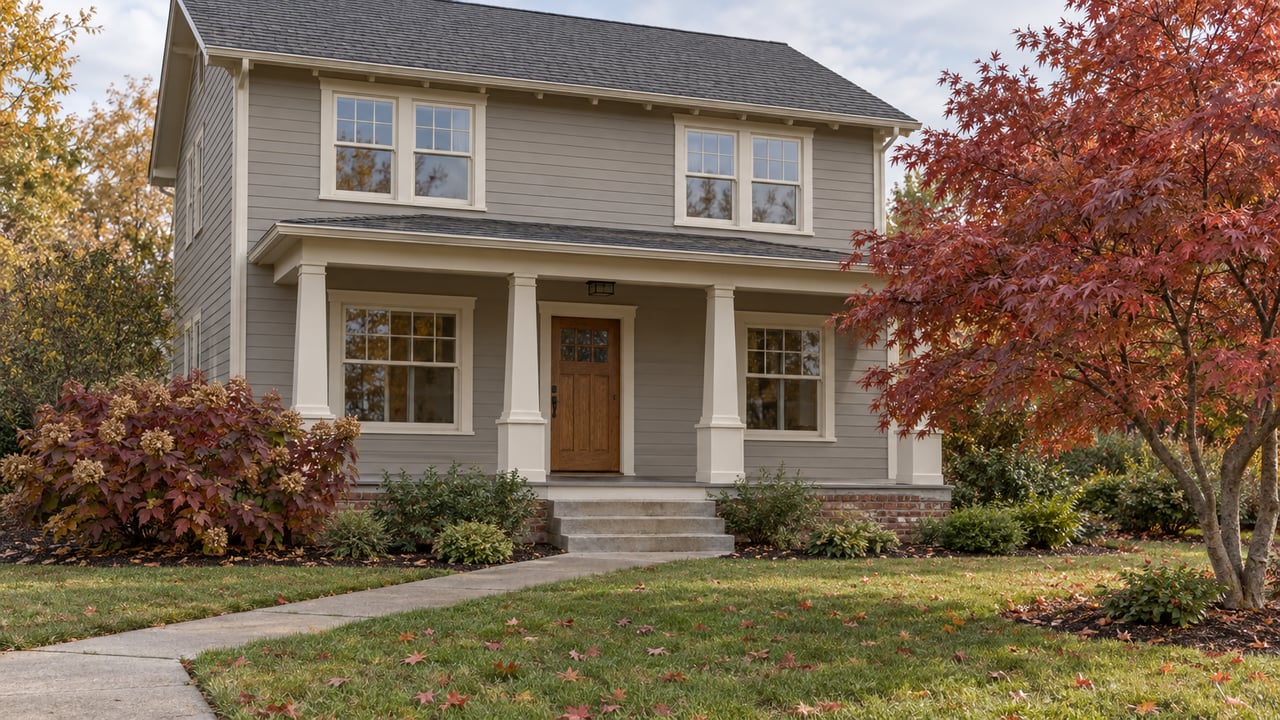
Seattle historic-site records list common older Ballard styles such as Craftsman, American Foursquare, Colonial Revival, Tudor Revival, Minimal Traditional, and Ranch. Most of these are modest cottages and builder’s houses rather than grand landmark estates.
Common historic styles
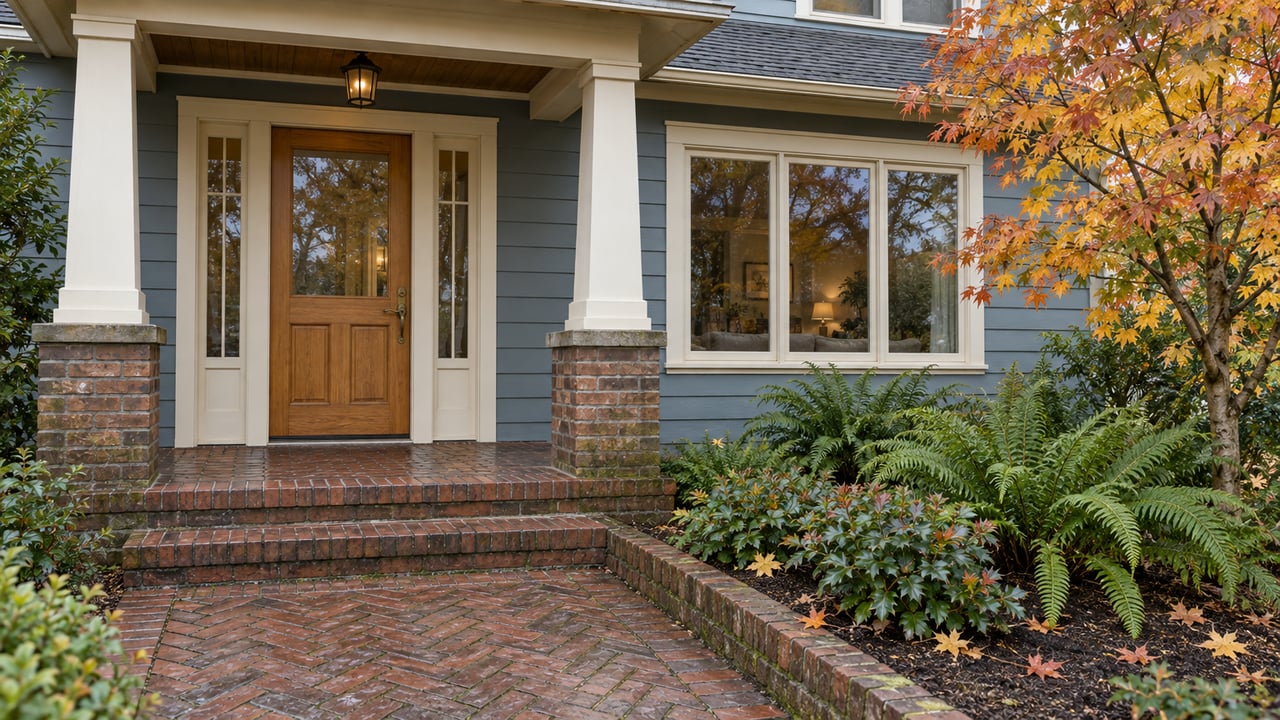
A Ballard Craftsman from 1911 is documented with a one-and-a-half-story side-gabled form, a small arched entry, cottage windows, and narrow lap siding. A 1920 Tudor example includes brick and stucco, leaded windows, and a gabled roof.
These details are a big reason buyers fall in love with older homes. You may notice built-in character, varied materials, and architecture that feels rooted in Ballard’s early residential history.
What buyers often love
Historic homes often attract buyers who want warmth, texture, and originality. If you like period detail and an established residential setting, prewar Ballard homes can be especially appealing.
They can also offer a sense of individuality that is harder to find in newer attached housing. No two homes tend to feel exactly the same.
What to plan for
Character usually comes with more upkeep. Older homes often need more ongoing attention, and in Seattle’s wet climate, that matters in practical ways.
Nearby NOAA climate normals at Seattle Sand Point show 37.82 inches of annual precipitation each year. That makes roof condition, drainage, siding, and window maintenance especially important when you are evaluating an older property.
If you are comparing monthly costs, look beyond the mortgage payment. You will want to budget for maintenance, repairs, utilities, and any applicable HOA dues.
Historic district rules matter
If a home is located in a Seattle historic district, future exterior changes may be more regulated. Seattle states that historic-district appearance and integrity are reviewed by a citizens board and or the Landmarks Preservation Board.
On Ballard Avenue specifically, exterior changes visible from outside require a Certificate of Approval. That can include new signs, new construction, remodeling, demolition, and exterior painting.
For some buyers, that oversight protects the area’s visual character. For others, it means you should understand review requirements before planning major exterior work.
Mid-Century Homes in Ballard
Ballard’s housing story did not stop before World War II. The neighborhood also has a postwar layer that can be a smart middle ground between historic charm and modern convenience.
Seattle records show that Ballard’s postwar building wave followed the return of construction after World War II, with new housing shaped in part by automobile ownership and changing household needs.
Mid-century design features
A documented 1947 Ballard ranch included an attached two-car garage, recessed entry, brick veneer, and outdoor features like patios, a sun room, and decks oriented toward the view. Those details reflect a more practical, postwar approach to layout and livability.
Mid-century apartment buildings are also part of Ballard’s history. That means the postwar layer is not limited to detached houses.
Why some buyers prefer mid-century
Mid-century homes can feel simpler and more functional than many prewar homes. Buyers often like the more garage-friendly layout and the stronger indoor-outdoor connection seen in some examples.
If you want a detached home but do not need ornate trim or heavy period detailing, this era can be a strong fit. It often offers a practical balance between age, character, and usability.
Modern Homes in Ballard
If your priority is low-maintenance living or a more urban setup, newer Ballard housing may be the better match. The neighborhood’s recent development pattern points clearly toward more attached, vertical housing.
Seattle project files show this direction in real time. One Ballard site at 1447 NW 65th Street is proposed as a 60-unit apartment building with retail, and another at 1552 NW 52nd Street is proposed as a 122-unit apartment building.
In a separate Ballard design review, the city notes that much of the surrounding area shifted from single-family zoning toward multifamily development after the 2019 citywide rezone. Nearby new development is described as primarily multifamily residential.
What modern Ballard living feels like
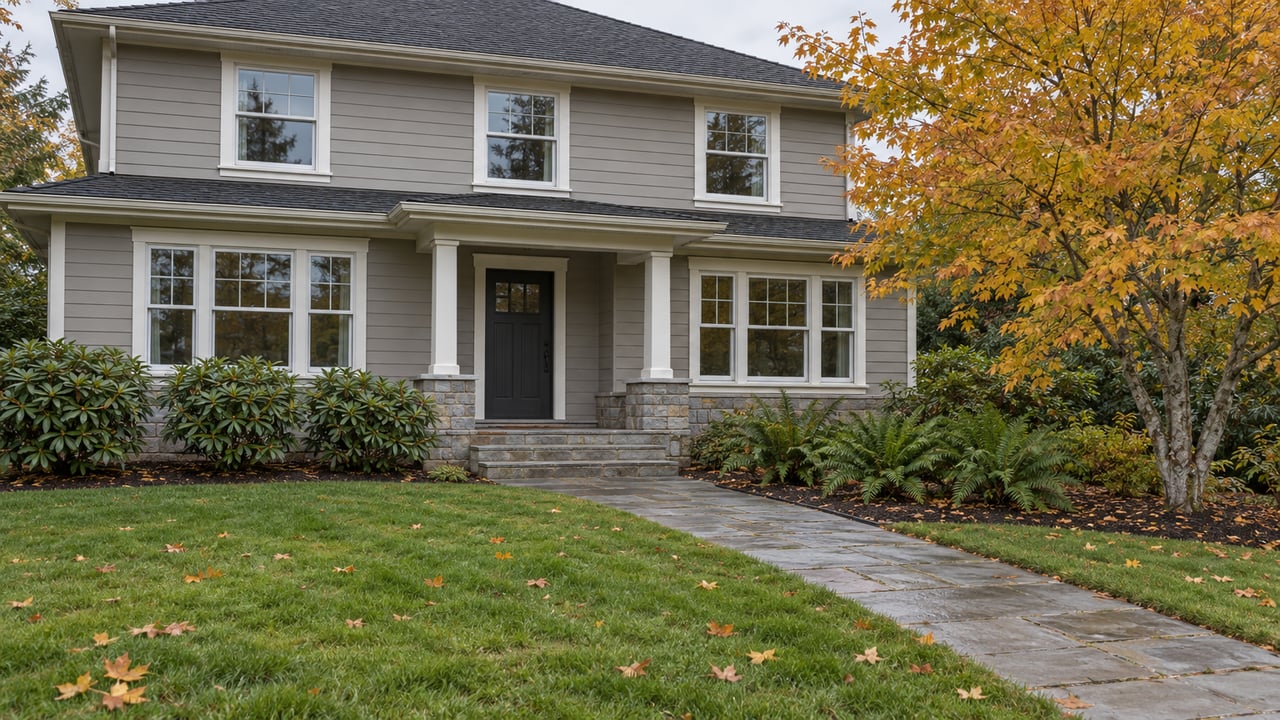
The clearest takeaway is that newer Ballard housing is increasingly density-oriented. In practical terms, that often means townhomes, condos, and apartments with a more urban feel than the historic single-family blocks.
This can work well if you want contemporary floor plans and shared maintenance responsibilities. It may also appeal if you prefer a more car-light lifestyle.
Parking and access can vary
That said, convenience is not identical from one part of Ballard to another. SDOT says parking in the Ballard Brewery District is very full throughout the day, and the city has added paid parking and curbspace changes near Ballard Commons to improve access.
For buyers, that means parking can vary sharply by pocket. If you rely on a car often, parking and access deserve extra attention during your search.
HOA costs are part of the math
For condo and townhome buyers, the cost structure is different from a detached house. HOA dues are usually paid separately from the mortgage, and they can be substantial.
HOAs commonly manage shared expenses such as landscaping and other maintenance costs. When you are deciding what you can comfortably afford, it helps to budget for utilities, taxes, insurance, maintenance, and HOA dues together.
Historic vs Modern in Ballard
The right choice often comes down to how you want to live, not just what style you admire. In Ballard, architecture maps closely to lifestyle.
| Home type | Typical appeal | Main tradeoff |
|---|---|---|
| Historic Craftsman or Tudor | Period detail, character, established residential feel | More upkeep, possible historic review for exterior work |
| Mid-century home | Practical layout, garage convenience, indoor-outdoor potential | Simpler styling, fewer period details |
| Newer townhome or condo | Contemporary design, shared maintenance, more urban living | HOA dues, tighter parking in some areas |
If you love charm and do not mind ongoing upkeep, a historic home may be the right fit. If you want practical function with some character, a mid-century home can be a compelling middle option.
If you prefer convenience, updated layouts, and less exterior maintenance, modern attached housing may make more sense. The best choice depends on your priorities, your monthly budget, and how hands-on you want to be after move-in.
How to Choose the Right Ballard Home
When buyers compare historic versus modern homes in Ballard, it helps to ask a few simple questions first.
How much maintenance can you handle?
Older homes often ask more of you over time. In Ballard’s rainy climate, deferred exterior maintenance can become costly, so it is worth being realistic about time, budget, and tolerance for repairs.
Newer condos and townhomes may reduce some of that burden through shared maintenance. Still, those costs do not disappear. They are often built into HOA dues instead.
What kind of layout fits your life?
Historic homes may offer charm and individuality, but they do not always match modern expectations for garages, storage, or open circulation. Mid-century and newer homes may feel more straightforward in those areas.
Think about how you live each day. Parking, stairs, shared walls, outdoor space, and storage can matter just as much as architecture.
Are you planning future changes?
If you expect to remodel or update a property, the home’s age and location matter. A property in a historic district may have added review requirements for visible exterior work.
That does not make it a bad choice. It simply means you should understand the process before you buy.
What does the full monthly cost look like?
A lower purchase price does not always mean a lower cost of ownership. Maintenance, utilities, insurance, taxes, and HOA dues all shape affordability.
This is where clear planning can make a big difference. Looking at the full picture helps you choose a home that feels comfortable not just on closing day, but long after.
Ballard gives you more than one way to feel at home. Whether you are drawn to a Tudor with original detail, a mid-century ranch with a garage, or a modern townhome near everyday amenities, the key is matching the property to your real lifestyle and long-term plans.
If you want help comparing Ballard home styles, weighing maintenance costs, or identifying renovation upside before you buy or sell, connect with theodora cornelia.
FAQs
What are the most common historic home styles in Ballard Seattle?
- Seattle historic-site records list Craftsman, American Foursquare, Colonial Revival, Tudor Revival, Minimal Traditional, and Ranch among common Ballard styles.
What should buyers know about maintaining older homes in Ballard Seattle?
- Older homes usually need more ongoing attention, and Ballard’s rainy climate makes roof, drainage, siding, and window upkeep especially important.
What is different about modern homes in Ballard Seattle?
- Newer Ballard housing is increasingly attached, vertical, and density-oriented, with many townhomes, condos, and multifamily buildings offering a more urban living experience.
What should condo and townhome buyers budget for in Ballard Seattle?
- In addition to the mortgage, buyers should plan for HOA dues, utilities, taxes, insurance, and maintenance-related costs.
Do historic district rules affect homes in Ballard Seattle?
- Yes. In areas such as the Ballard Avenue Landmark District, exterior changes visible from outside may require a Certificate of Approval from the city’s historic review process.