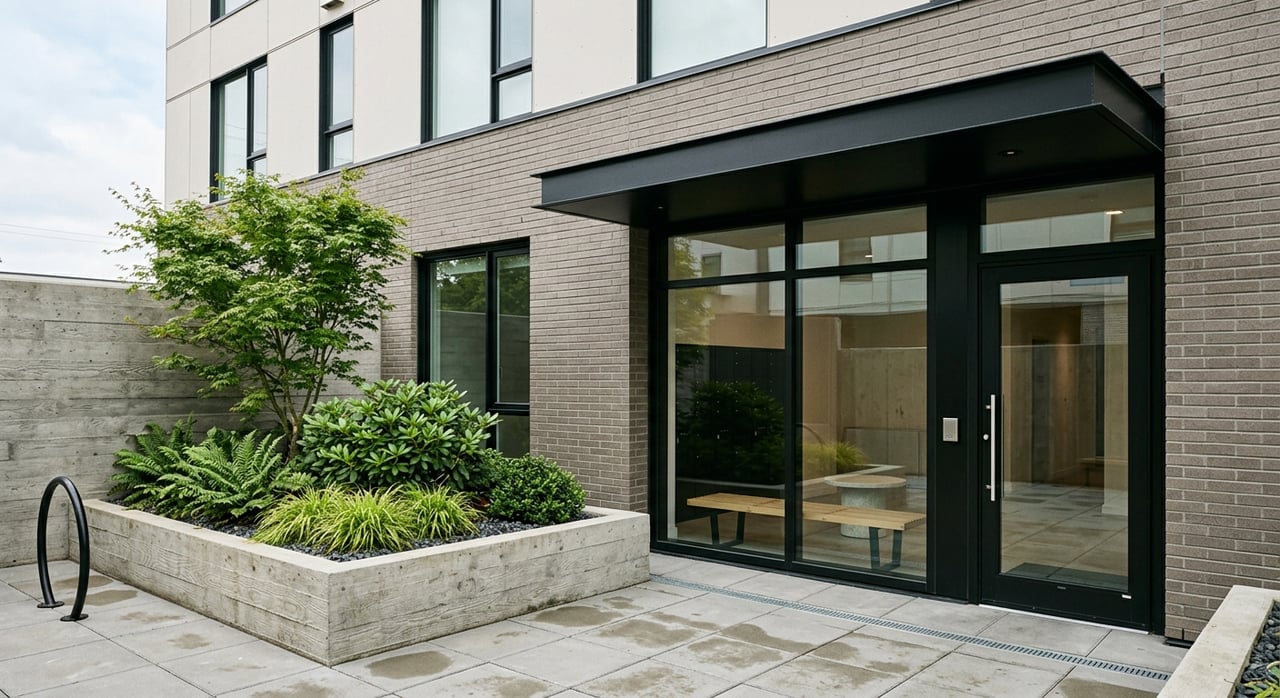
If you want a home that feels connected to Seattle but does not come with a long exterior to-do list, Queen Anne deserves a close look. For many buyers, the appeal is simple: you want convenience, views, and easy access to daily needs without taking on the maintenance demands that often come with a detached house. This guide will walk you through why Queen Anne condos can fit a lock-and-leave lifestyle, what building types to expect, and which condo documents matter most before you buy. Let’s dive in.
Why Queen Anne fits lock-and-leave living
Queen Anne is one of Seattle’s close-in neighborhoods with a long history of multifamily housing. Seattle’s historic context notes that streetcar lines helped shape housing growth here, and later development added density around Uptown, Dexter Avenue, and Queen Anne Avenue N. That history still shows up today in the mix of condo and apartment-style buildings across the neighborhood.
For you as a buyer, that often translates into a lifestyle built around convenience. Commercial areas on Queen Anne Avenue N. and in Uptown put shops, dining, and everyday services within walking distance of many homes. When you can handle more of daily life close to home, it becomes easier to travel, work long hours, or simply spend less time managing the logistics of homeownership.
Current condo listings also help explain the lock-and-leave appeal. Common features include secure entry, rooftop decks, parking, in-unit laundry, storage, and access to downtown or transit. Those are the kinds of features many buyers prioritize when they want a home that is easier to leave for a weekend, a work trip, or a longer stretch away.
What Queen Anne condos look like
Queen Anne condos are not one-size-fits-all. The neighborhood includes older apartment houses, mid-century buildings, and later infill or redevelopment projects. Seattle’s historic surveys describe a 1920s apartment boom on the southwest slope, with surviving buildings in Tudor, Mediterranean, Classical, and Gothic styles, while later decades brought major modernization and redevelopment.
That variety matters because your condo search may include very different ownership experiences. One building may offer vintage character and a simpler amenity package. Another may feel more contemporary, with garage parking, rooftop space, fitness areas, gated access, or additional storage.
Current listings show that range clearly. Examples include a 1963 building with views and a 2000-built unit with garage parking and monthly HOA dues of $634, along with listings that highlight private storage, pet-friendly policies, and secure entry. In practical terms, Queen Anne condo inventory can span from a more modest older unit to a more service-oriented building with stronger amenity appeal.
Lock-and-leave features to prioritize
If your goal is low-maintenance living, the right condo is about more than square footage. You want building features that support day-to-day ease and reduce friction when you are away.
Here are some features worth prioritizing in Queen Anne:
- Secure entry or gated access
- Garage or dedicated parking
- In-unit laundry
- Private or shared storage
- Elevator access, depending on your needs
- Rooftop decks or shared outdoor space
- Reasonable access to downtown or transit
- HOA coverage for major exterior upkeep
Not every buyer will weigh these the same way. If you travel often, secure entry and package handling may matter more. If you are downsizing, elevator access, storage, and parking may rise to the top.
Condo pricing versus detached homes
For many buyers, lock-and-leave living is not just about convenience. It is also about finding a more approachable price point in a close-in Seattle neighborhood.
Current Redfin data shows 116 condos for sale in Queen Anne at a median listing price of $499,000. By comparison, Redfin’s broader Queen Anne sale-price benchmark is $1.05 million, and Realtor.com’s Queen Anne single-family search page shows 61 active homes with a median listing home price of $709,900. Taken together, those snapshots suggest condos often provide a lower entry point than detached-home ownership in the neighborhood.
Using those current median listing figures, the single-family benchmark is about $211,000 higher than the condo median. That gap is only a market snapshot, and it can change as listings shift, but it helps show why many buyers start with condos when they want Queen Anne access without detached-home pricing.
Current listings also show a broad range within the condo category itself. Some units appear in the high-$200,000s to mid-$500,000s, while the wider Queen Anne home market includes properties around $699,000 and well into the multi-million-dollar range. For you, the more useful comparison may be this: how much maintenance, storage, parking, and amenity value are you getting at each price point?
Why HOA details matter more here
When you buy a condo for lock-and-leave living, the homeowners association plays a major role in your ownership experience. A well-run HOA can help keep common areas, building systems, and exterior components on track. A weak reserve position or unclear upcoming work can create surprise costs that undercut the simplicity many buyers want.
Washington law requires condominium associations with significant assets to prepare and annually update a reserve study. At least one visual-inspection update must be completed every three years. The reserve study should address major components such as roofing, painting, paving, decks, siding, plumbing, and windows.
That matters because reserve funding helps cover future major repairs and replacements. Washington law also warns that insufficient reserves may, in some circumstances, lead to special assessments for major maintenance or replacement. If your goal is predictable ownership, this is one of the most important parts of your review.
Documents to review before closing
In Washington, condo resale paperwork gives you a closer look at the building’s financial and operational picture. Before closing, buyers should receive a resale certificate that lists monthly common expense assessments, unpaid assessments, and any special assessments.
The association has 10 days to provide the resale certificate after request, and the fee for preparing it may not exceed $275. This document can help you understand the current monthly cost structure and whether there are known financial issues that could affect your ownership experience.
It is also helpful to know that small associations with 10 or fewer unit owners can exempt themselves from reserve-study requirements by a two-thirds vote, renewed every three years. Even then, the reserve-study disclosure still must appear in the offering or resale documents. If you are considering a smaller building, this is an especially important point to review carefully.
Questions to ask about a Queen Anne condo
A condo can look perfect in photos and still require a closer look behind the scenes. As you narrow your options, it helps to ask practical questions that match your lock-and-leave goals.
Consider asking:
- What do the monthly HOA dues cover?
- Is there a current reserve study, and when was it last updated?
- Are there any active or planned special assessments?
- What major building components may need work in the near future?
- Is parking deeded, assigned, or shared?
- How much storage comes with the unit?
- What security features does the building offer?
- Are there shared amenities you will actually use?
These questions can help you compare two condos that may have similar list prices but very different ownership costs and convenience.
How to choose the right fit
The best Queen Anne condo for lock-and-leave living depends on your version of easy. For one buyer, that means a lower-maintenance pied-à-terre with secure entry and quick downtown access. For another, it means a more spacious building with parking, storage, and amenities that support a long-term downsizing plan.
This is where a more consultative search can help. Looking at price alone rarely tells the full story. You also want to weigh building age, reserve planning, HOA structure, and which features will make daily life feel simpler, not just stylish.
If you are comparing Queen Anne condos and want a clear-eyed view of value, monthly cost, and lifestyle fit, working with a local advisor can make the process feel much more manageable. The team at theodora cornelia brings Seattle market knowledge, financing fluency, and practical guidance to help you sort through the tradeoffs and find the right home for the way you want to live.
FAQs
What makes Queen Anne condos good for lock-and-leave living?
- Queen Anne condos often feature secure entry, parking, in-unit laundry, storage, and access to shops, downtown, or transit, which can make ownership feel simpler when you are away from home.
What types of condo buildings can you find in Queen Anne?
- Queen Anne includes older apartment-style buildings, mid-century properties, and newer infill or redeveloped buildings, so buyers can find anything from vintage character to more amenity-rich options.
How much do Queen Anne condos cost compared with houses?
- Current market snapshots in the research report show a median condo listing price of $499,000 in Queen Anne, compared with a broader Queen Anne sale-price benchmark of $1.05 million and a single-family median listing price of $709,900.
What should you review in a Washington condo resale certificate?
- The resale certificate should list monthly common expense assessments, unpaid assessments, and any special assessments, which can help you understand current and potential ownership costs.
Why do reserve studies matter for Queen Anne condo buyers?
- Reserve studies help show whether an association is planning and saving for major repairs like roofing, siding, windows, paving, and plumbing, which can reduce the risk of unexpected special assessments.