When you're preparing your Seattle home for a showing, it's easy to assume buyers will focus on the obvious things.
The kitchen. The bedrooms. The bathrooms. The square footage.
They certainly notice those things.
But buyers are also paying attention to dozens of smaller details—and many of them influence how they feel about the home before they've consciously thought about it.
They notice how the home smells when they enter. They notice whether rooms feel bright or dark. They notice small signs of deferred maintenance. They notice whether there's enough storage and whether they can imagine their furniture fitting into the space.
Most importantly, they're asking themselves one question throughout the showing:
"Can I see myself living here?"
Understanding that can completely change how you prepare your Seattle home for sale.
The Showing Actually Starts Outside
Before buyers enter your home, they've already formed an impression.
They've seen the neighborhood.
They've parked on the street.
They've walked past the landscaping and up to your front door.
That means peeling exterior paint, overflowing gutters, an overgrown yard, or a cluttered porch can influence their expectations before the showing officially begins.
You don't necessarily need an expensive landscaping project.
A clean walkway, trimmed landscaping, washed exterior, tidy porch, and inviting entrance can completely change the feeling of arrival.
The goal is simple: make buyers excited to open the door.
Buyers Notice How the Home Feels Immediately
The first few moments inside a home are powerful.
Buyers may not remember every feature they see during a day of touring properties, but they'll often remember how each home made them feel.
Was it bright?
Comfortable?
Clean?
Welcoming?
Or did something immediately feel off?
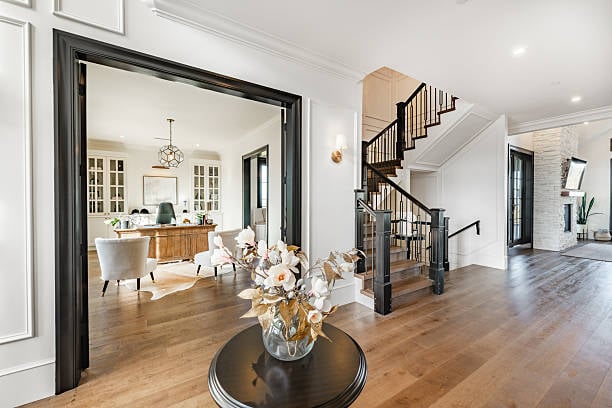
Natural light can be especially noticeable in Seattle. Opening blinds and curtains before a showing can help rooms feel brighter and more inviting, particularly during the city's cloudier months.
Lighting should support that feeling rather than fight against it. Dark hallways or burned-out bulbs are small details, but they can subtly change a buyer's perception of the space.
Cleanliness Sends a Bigger Message
Buyers aren't simply noticing whether the countertops have been wiped down.
They're often interpreting cleanliness as a sign of how the property has been maintained.
A spotless home can create confidence.
A dirty one can raise questions.
If buyers see dust, stained carpeting, dirty windows, or neglected bathrooms, they may begin wondering whether larger maintenance items have also been ignored.
That's why deep cleaning before listing can be one of the simplest ways to improve a home's presentation.
It doesn't change the house.
It changes how buyers perceive it.
Buyers Definitely Notice Smells
Homeowners naturally become accustomed to how their own house smells.
Buyers haven't.
Pet odors, cooking smells, cigarette smoke, dampness, and heavily scented air fresheners can all become distractions during a showing.
The best smell is usually a home that simply smells clean and fresh.
Opening windows when weather permits, cleaning carpets and fabrics, addressing pet areas, and removing the source of odors tends to work better than trying to cover them with strong fragrances.
You want buyers thinking about the home—not wondering what they're smelling.
They Look at How Rooms Actually Function
Beautiful staging gets attention, but buyers are ultimately trying to understand whether the house works for their lives.
They'll mentally place their furniture in the living room.
They'll wonder whether the kitchen has enough workspace.
They'll think about where they would work from home.
They'll open closets and consider storage.
This is where too much furniture can work against a seller.
If a room feels crowded, buyers may assume it's smaller than it really is.
Removing unnecessary furniture can help emphasize the home's layout and make rooms easier to understand.
Storage Gets More Attention Than Sellers Expect
Don't assume buyers won't open closets.
They probably will.
Storage is part of the home, and buyers want to know how much of it they'll have.
An overflowing closet can unintentionally suggest that the home lacks storage, even when the closet itself is reasonably sized.
You don't need empty closets.
You simply want them organized enough that buyers can clearly see the available space.
The same principle applies to garages, kitchen cabinets, pantries, and built-in storage.
Small Maintenance Problems Can Become Big Questions
A loose doorknob isn't a major problem.
Neither is a dripping faucet or a burned-out light.
But when buyers encounter several small maintenance issues during the same showing, they may begin asking a much bigger question:
"What else hasn't been maintained?"
That's why taking care of obvious minor repairs before listing can be worthwhile.
The objective isn't to make an older home look brand new.
It's to prevent small distractions from creating unnecessary uncertainty.
Buyers Notice What You Can't Change Too
Sellers often spend most of their preparation time thinking about finishes.
Buyers are also evaluating the fundamentals.
They notice natural light, room flow, ceiling height, privacy, outdoor space, street noise, and how the home sits within the neighborhood.
You can't change all of those things.
What you can do is make sure your presentation emphasizes the home's strongest qualities.
If natural light is a major advantage, showcase it.
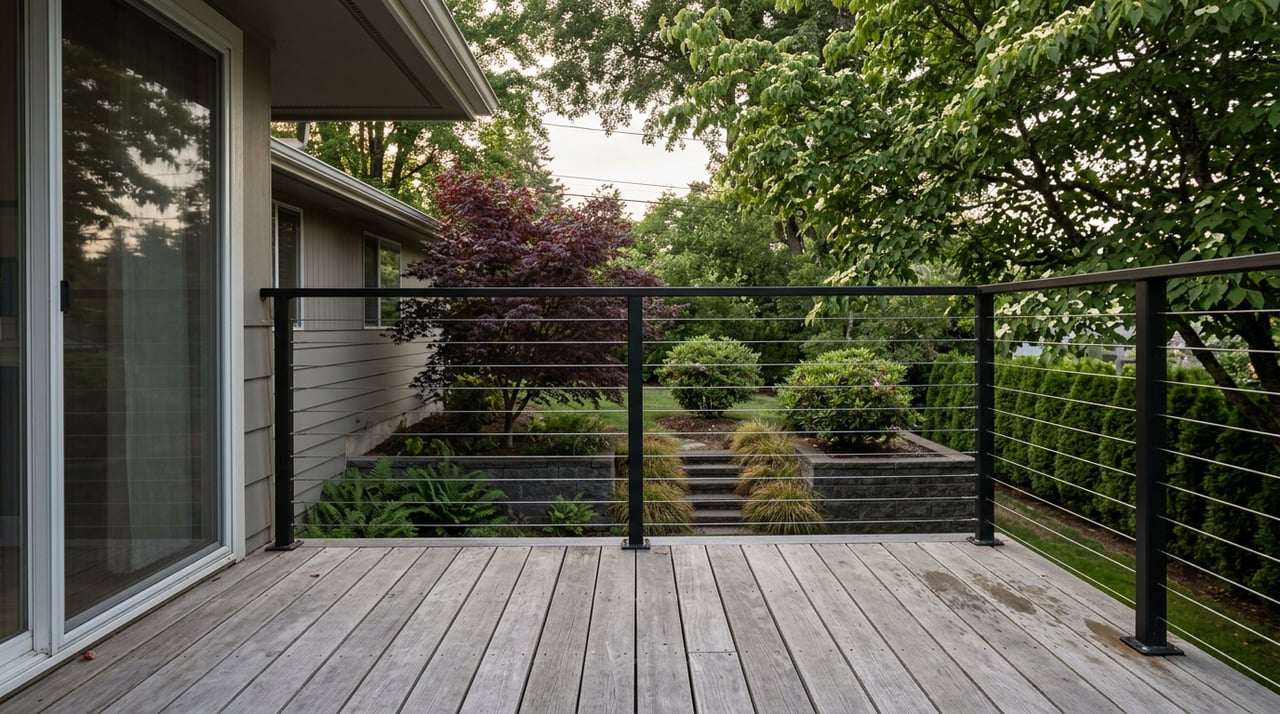
If there's a beautiful backyard, make sure buyers can easily access and experience it.
If the home has an excellent entertaining layout, arrange the furniture so that flow becomes obvious.
Good presentation helps buyers recognize the value that's already there.
Buyers Compare Your Home With Everything Else They've Seen
Your property isn't being evaluated in isolation.
A buyer may tour four or five Seattle homes in a weekend.
By Sunday evening, they're comparing them.
Which one felt best maintained?
Which had the most functional layout?
Which offered the strongest value?
Which one could they actually picture themselves owning?
This is why seemingly small presentation details matter.
You aren't necessarily trying to make your home perfect.
You're trying to make it memorable for the right reasons.
The Best Showings Make It Easy to Imagine Living There
There's an important balance when preparing a home for buyers.
You want it to feel warm and inviting without feeling so personal that buyers feel like they're walking through someone else's life.
Family photos covering every wall, crowded collections, highly personal décor, and clutter can make it harder for buyers to mentally move themselves into the space.
You don't need to remove every sign that someone lives there.
Instead, simplify.
Give buyers enough visual breathing room to imagine what the home could become for them.
Frequently Asked Questions
What do buyers notice first during a home showing?
Buyers often notice the exterior, entryway, cleanliness, lighting, smell, and overall feeling of the home before focusing on individual features.
Should I leave during showings?
In most situations, giving buyers space to tour the property with their agent allows them to speak openly and take their time evaluating the home.
Should I turn all the lights on before a showing?
Making the home bright and welcoming can help. Open blinds where appropriate, maximize natural light, and make sure interior lighting works throughout the home.
Do buyers really look inside closets?
Yes. Storage is an important consideration for many buyers, so organized closets can help buyers understand how much usable space the home provides.
Do I need to renovate before showing my home?
Not necessarily. Cleaning, decluttering, completing minor repairs, improving lighting, and thoughtfully presenting the home can often make a meaningful difference without a major renovation.
Final Thoughts
A successful showing isn't about convincing buyers that your home is perfect.
It's about removing unnecessary distractions so they can recognize what's great about it.
Buyers notice the light.
They notice the cleanliness.
They notice how the rooms flow.
They notice whether the property appears cared for.
And, perhaps most importantly, they notice how they feel while they're there.
When your home is thoughtfully prepared, you're making it easier for the right buyer to walk through the door and think:
"I could live here."
Thinking About Selling Your Home in Seattle?
Theodora Cornelia and Bruce Beavers are Seattle real estate agents helping homeowners prepare, position, and market their homes for today's buyers.
From deciding what to fix before listing to pricing, presentation, marketing, and negotiations, they help Seattle sellers focus on the improvements and strategies that can make the biggest difference.
📞 (206) 619-2275