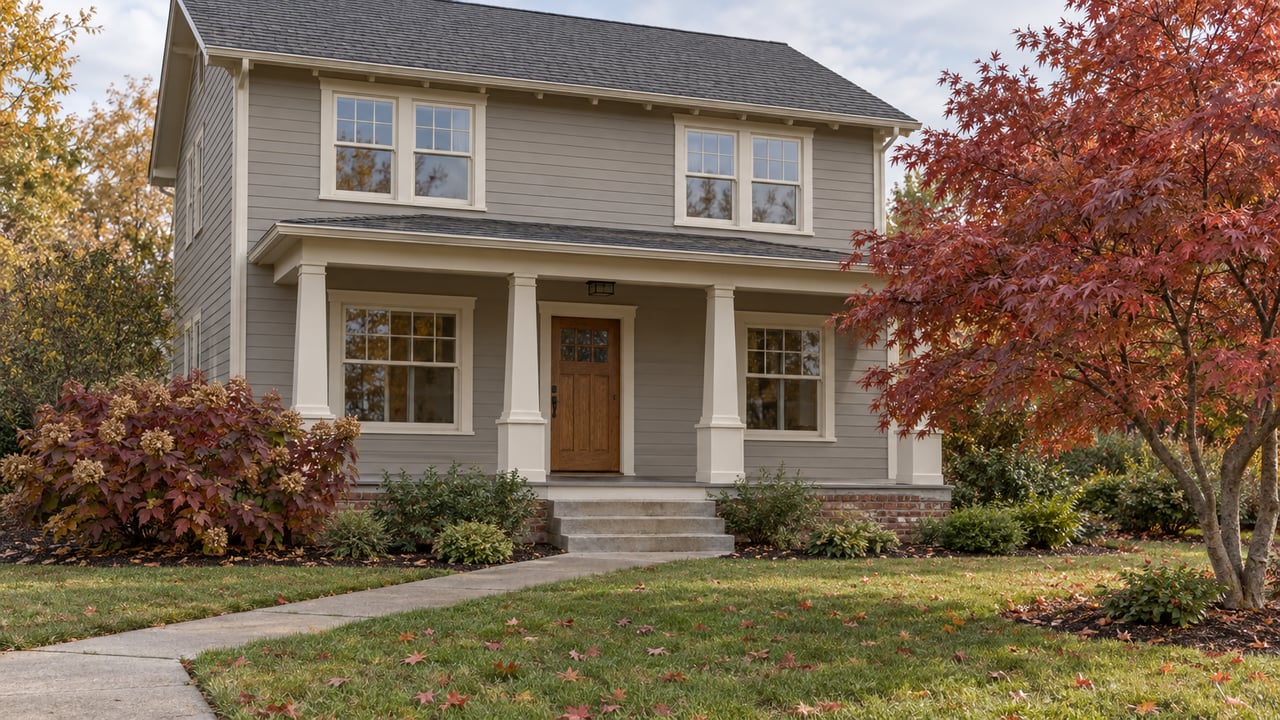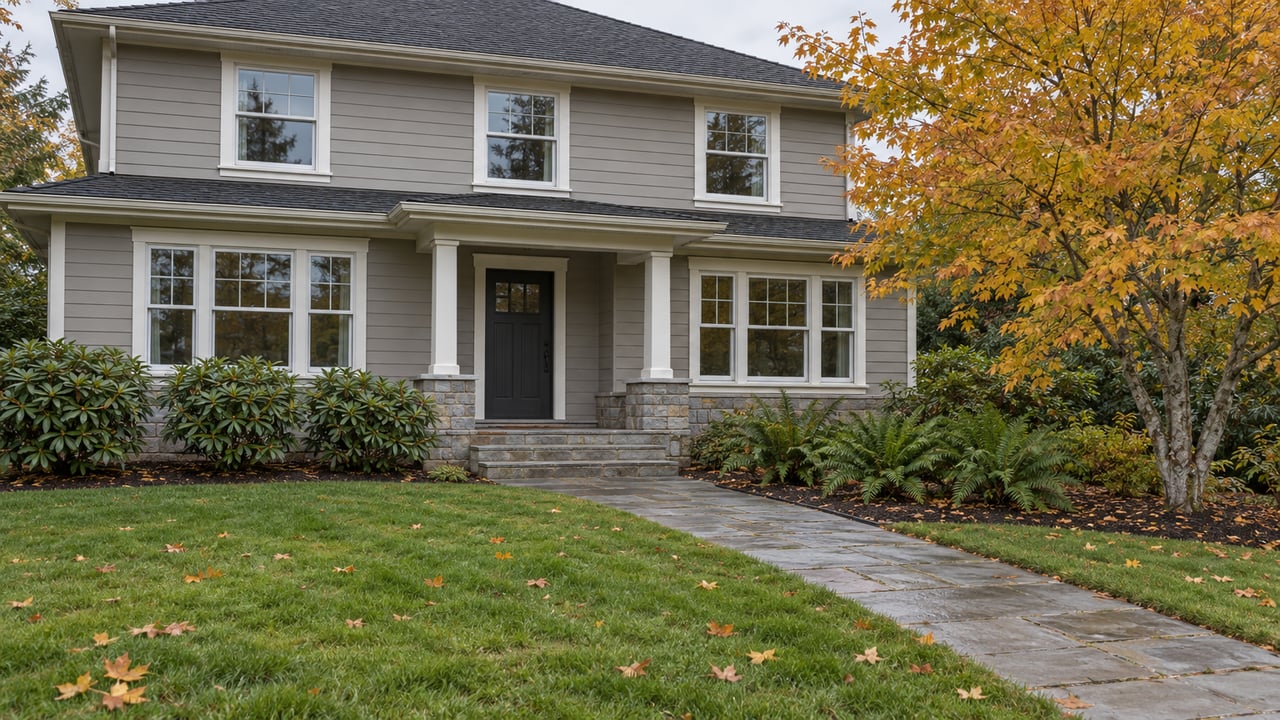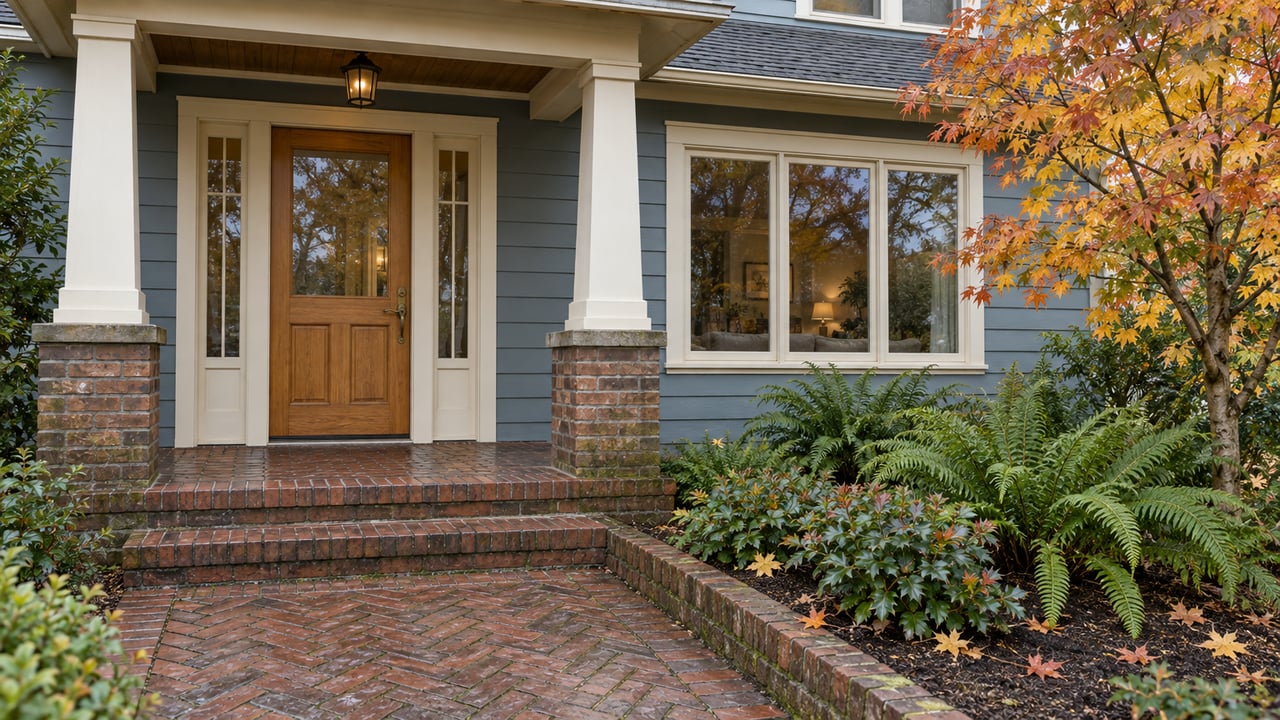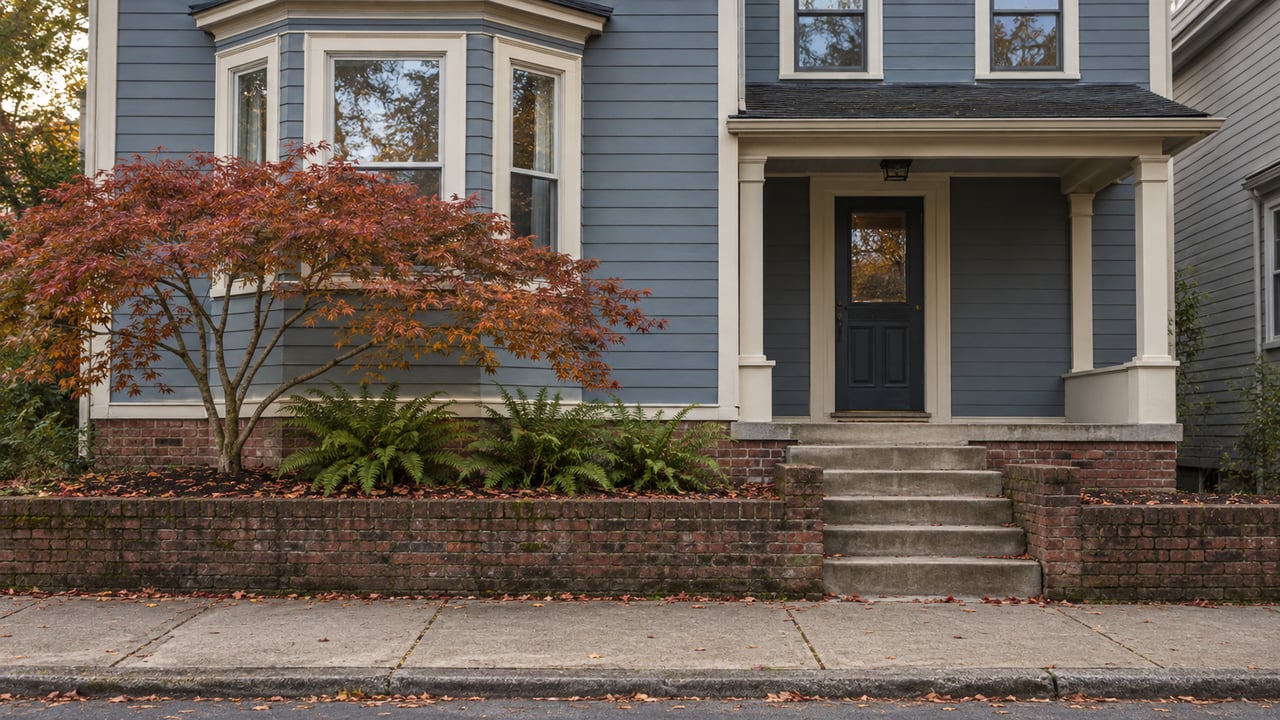
Most Seattle neighborhoods are legible from a car. Whittier Heights is not. Drive up 8th Avenue Northwest and you see the same well-kept Craftsmans and Tudor Revivals you see two miles in any direction. The neighborhood only reveals itself on foot, and only inside a five-block radius that most maps don't bother to draw.
That radius has a center, a border, and, as of this summer, a piece of pending legislation that will decide what the border looks like in five years. If you already live here, the useful thing to know about August 2026 is not where the good coffee is. It's how a park that almost didn't exist ended up doing the work a downtown commercial district usually does, and what happens next to the corridor at the edge of it.
The park that almost didn't happen twice
Kirke Park sits mid-block on 9th Avenue Northwest between Northwest 70th and 73rd, which is a strange address for a park. It looks tucked in because it is tucked in. The site was first purchased by the City as part of the 2000 Pro Parks Levy, but planning began with no funding for construction; the park only got built because Seattle voters approved a second levy, the 2008 Parks & Green Space Levy. Eight years passed between the lot being saved and the lot becoming usable.
The name is not decorative. Formerly known as the 9th Ave NW Park, the site was renamed Kirke, the Norwegian word for church, to honor both the neighborhood's Norwegian heritage and the former Church of Seventh Elect in Spiritual Israel, a cultural institution on the site for more than 90 years. The historical ruins of the church are incorporated into the gardens and play areas, which is why you can walk past a wall fragment on the way to the sandbox.
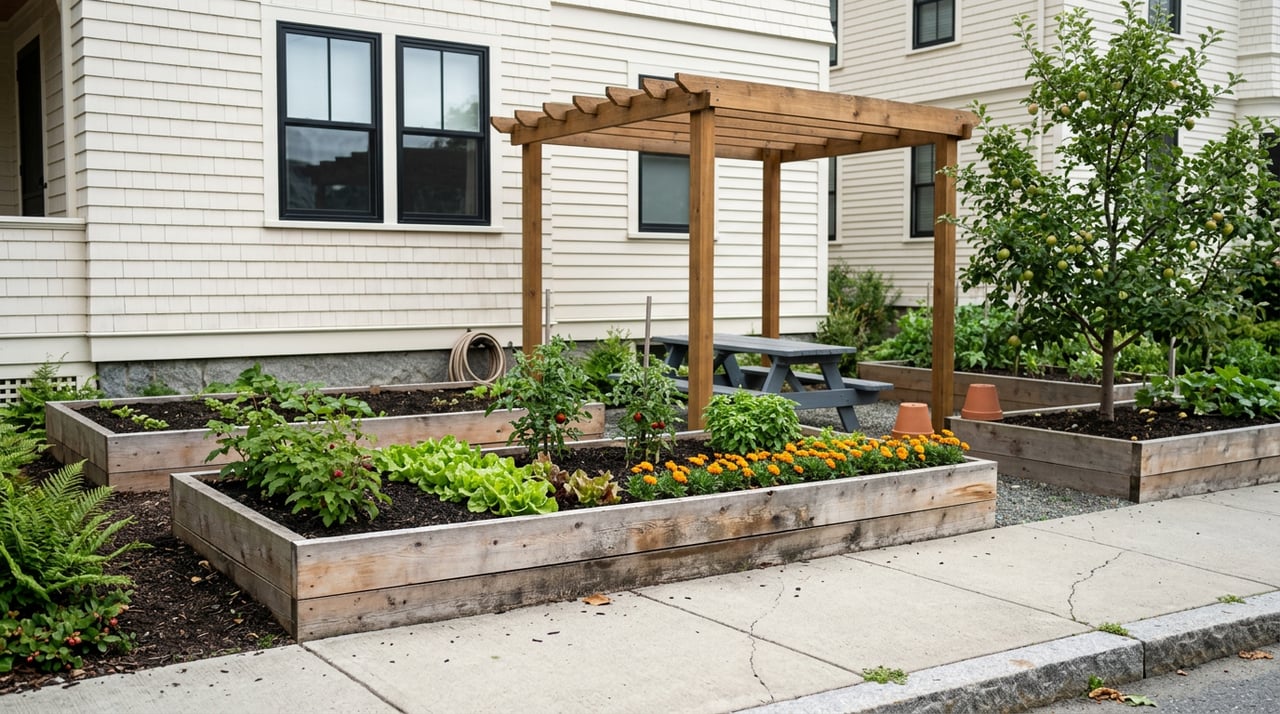
What sits behind the pergola today is a central "front porch," multiple picnic tables, two big open lawns, a climbing tower, a sandbox, double dish swings, a natural "adventure" trail, a P-Patch community garden, an orchard, and a "secret" ornamental garden, all nestled into a dense residential block. None of that is visible from the sidewalk until you're standing at the entrance.
The Giving Garden does something a park usually doesn't
The P-Patch at the north end of the park is the piece worth understanding. The 38-plot P-Patch was established in 2012 as part of the park's creation and has been a cornucopia of veggies, flowers, birds, bees, gardeners, and neighbors throughout the seasons ever since. Thirty-eight is a small number. It matters because a portion of the harvest doesn't go home with the gardeners.
This summer, Kirke gardeners have donated over 30 pounds of herbs and vegetables to the Ballard Food Bank, thanks to volunteer gardeners on-site. The garden also runs on unglamorous labor: Friends of Kirke Park coordinates regular work parties with P-Patch members, and when a longtime volunteer who pruned the four original apple trees moved away, City Fruit stepped in with a Salesforce volunteer crew to prune the apple, plum, and fig trees.
A park with an orchard that a nonprofit prunes for free, a community garden that feeds a food bank, and a stewardship group that raises money through the Seattle Parks Foundation is not a typical piece of the Parks Department portfolio. It is closer to a civic asset with volunteer overhead, which is why the calendar around it matters.
A weekend loop that stays inside the grid
The most useful thing about this neighborhood is that you can string together three parks and the pool without stepping off a sidewalk, and two of those sidewalks are officially designated for walking.
- Start at Kirke Park (7028 9th Ave NW) for the P-Patch and the orchard. Morning light hits the pergola well before the play area fills up.
- Head west on Northwest 70th, one of the two neighborhood-designated calm streets. Northwest 70th and 75th streets are part of Seattle's Neighborhood Greenways network, meaning slower traffic and priority crossings at arterials.
- South to the Ballard Pool on Northwest 67th Street, an indoor public facility with a variety of aquatics programs, useful when late August turns overcast.
- North to Baker Park in Crown Hill, one of Seattle's pesticide-free parks, renovated in 2020 with updated play equipment, a butterfly garden, and a totem pole inspired by the Haida Nation.
- Back east along Northwest 75th to close the loop, hitting the 15th Ave NW commercial edge on the way home.
The loop is roughly two and a half miles depending on where you start, most of it on residential blocks, none of it requiring a car.
What's on the table for 15th Ave NW
Here is the part most weekend guides miss. The eastern edge of that loop, the commercial spine along 15th Ave NW where residents already walk for groceries and errands, is the specific subject of a 2026 zoning decision.
In January 2026, the City of Seattle released updated legislation to allow more apartments and condos in centers and corridors newly designated in the One Seattle Plan the year prior. This "Centers and Corridors" legislation includes rezones in Neighborhood Centers such as Whittier, and all residential streets within the designated Whittier Neighborhood Center boundaries are proposed to be rezoned to LR3, which allows buildings up to five stories, approximately 52 feet, possibly higher if certain conditions are met. The proposal would also reduce requirements for parking, setbacks, and open space, and create faster permitting processes with less community input.
The neighborhood response has been organized and specific. Nearly 1,000 neighbors signed a petition asking that Whittier Heights be removed from the proposed Neighborhood Centers list, over 100 attended a community meeting on the One Seattle Plan, and Councilmember Dan Strauss attended to hear concerns. Friends of Whittier Heights has suggested one possible compromise: directing more of the increased density to 15th Ave NW itself, potentially allowing somewhat taller buildings on the arterial in exchange for a lower zoning designation on interior residential streets.
Whether that compromise lands is the open question of the summer. What is not open to interpretation is the timeline.
| Date | What happened / happens |
|---|---|
| January 2026 | City releases Centers and Corridors legislation covering Whittier |
| April 6, 2026 | Virtual and in-person public hearings |
| May 29, 2026 | Additional public hearing |
| June 18, 2026 | Possible council committee vote on rezoning |
Source: Friends of Whittier Heights meeting calendar.
Why this matters if you already live here
The reason to pay attention is not the height of a hypothetical building. It's that the same civic infrastructure that turned a hidden church lot into a functioning park with an orchard and a food-bank pipeline is the infrastructure now debating what 15th Ave NW looks like when your kids are in high school. Residents may participate in groups such as the Whittier Heights Community Council and the Friends of Whittier Heights, which focus on development and zoning-related topics, and smaller events held in Whittier Heights include those hosted by the Friends of Kirke Park, such as a community festival in August and a winter solstice celebration.
Those two groups are the reason the park exists in the form it does, and they're the reason the corridor conversation is happening in public rather than in a subcommittee. If you moved here in the last five years for the walkability and the quiet block character, the same people you'd meet at the August festival are the ones writing letters to City Hall.
The practical takeaway for a late-August Saturday is smaller and more useful than that:
- The P-Patch is producing now, and the Giving Garden is worth a slow walk-through even if you don't have a plot.
- The neighborhood greenways on 70th and 75th are the actual seams of the neighborhood. Use them instead of 8th.
- The 15th Ave NW streetscape you know is a legislative decision, not a permanent feature. Watch what gets built between 65th and 85th over the next two years.
The five blocks between Kirke Park and the arterial are the reason people who live in Whittier Heights stay in Whittier Heights. Understanding what's changing at the edge of them is how you keep the reason intact.
If you own a home in Whittier Heights and want to understand what proposed zoning changes might mean for your specific block, or you're thinking about the long-term value of the walkable core around Kirke Park, Theodora Cornelia Homes works these blocks closely. Request a free home valuation to see where your home stands in today's Whittier Heights market.