If you own a cottage in Madison Park, you are not just selling square footage. You are selling character, setting, and a piece of one of Seattle’s most established lakeside neighborhoods. In a market where buyers have more choices and pricing discipline matters, the right plan can help you protect value, highlight what makes your home special, and move forward with confidence. Let’s dive in.
Why Madison Park cottages stand out
Madison Park has long been known as a lakeshore destination and early residential enclave. According to HistoryLink’s neighborhood history, much of the area was originally platted with cottages in mind, and the neighborhood still reflects much of its 1920s to 1940s character.
That matters when you sell. In Madison Park, a cottage often appeals because it feels connected to the neighborhood’s original story, not because it looks like every other updated home on the market.
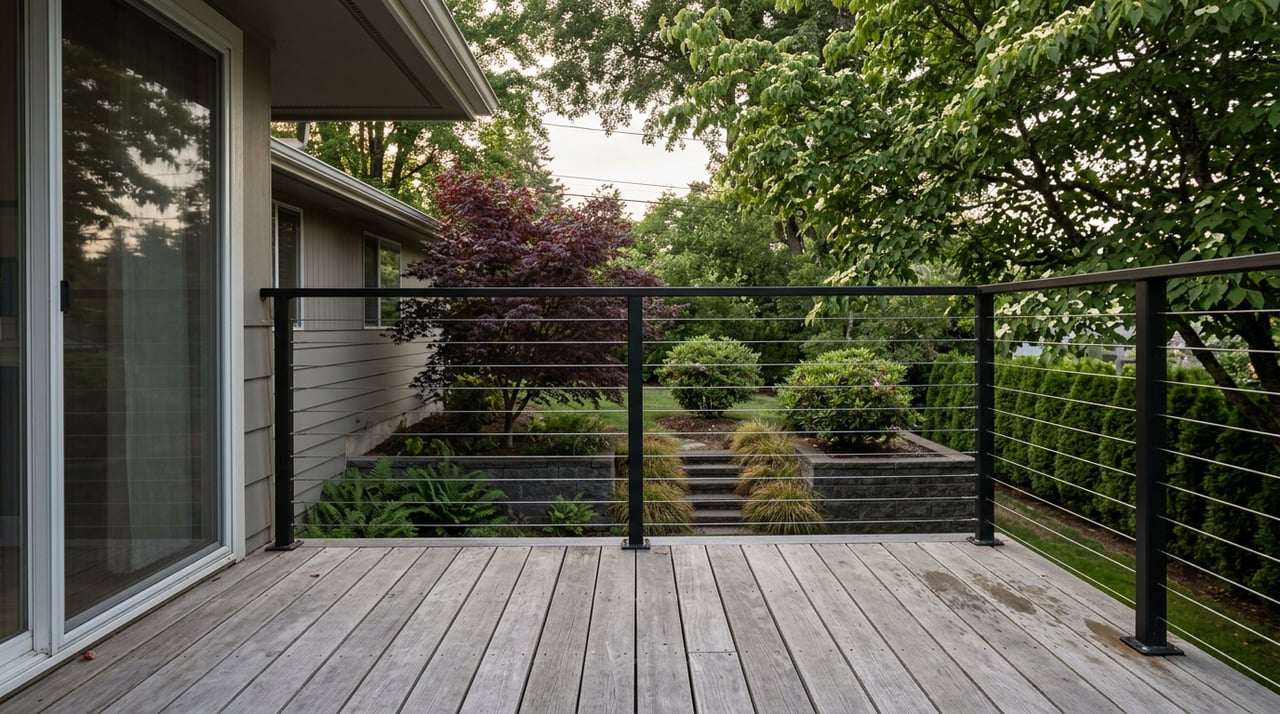
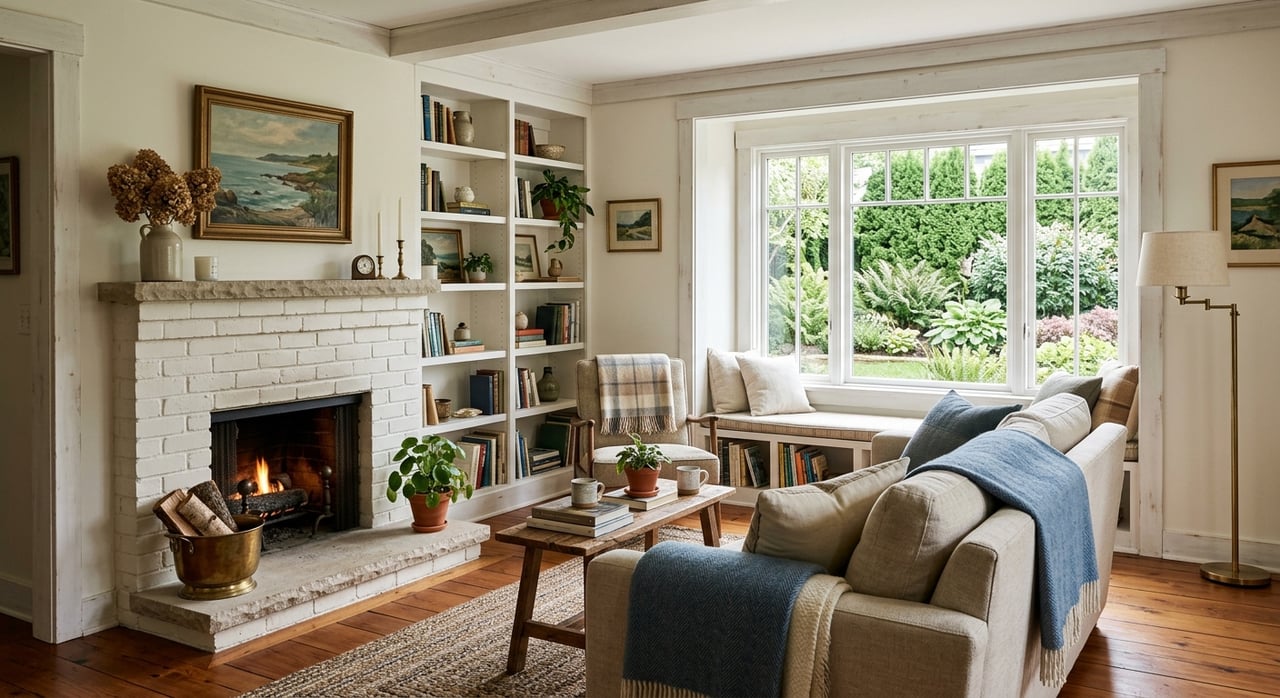
If your home has original millwork, built-ins, fir floors, porch lines, original windows, or a strong garden connection, those details should be treated as assets. They help buyers understand the home’s personality and can make your listing feel memorable from the start.
Price with today’s market in mind
Even in a premium neighborhood, buyers are still selective. Recent NWMLS market data shows active listings were up 29.3% year over year in March 2026, while statewide inventory in February 2026 was reported at 3.22 months.
That kind of market does not reward wishful pricing. It rewards smart positioning, current comparable sales, and a clear story around condition, light, layout, and location.
King County’s median sales price was reported by NWMLS at $859,618, and Seattle’s 2025 annual review put the Seattle school-district grouping median for residential homes at $975,000. Madison Park typically sits well above those figures, which makes hyper-local pricing even more important. Detached home comps in and around Madison Park will usually tell you far more than citywide averages alone.
The pricing strategy should also reflect what sellers say they value most from a professional. In NAR’s generational trends report, sellers commonly turn to professionals to price competitively, market effectively, sell within a specific time frame, and identify improvements that can help the home sell for more.
Lead with character, not apology
One of the biggest mistakes cottage sellers make is downplaying original details. In Madison Park, those details often help define the home’s appeal.
Instead of apologizing for age, frame your home around craftsmanship and livability. A front porch becomes a welcoming transition space. Built-ins become useful and charming storage. Fir floors and period trim become part of the home’s visual identity.
This approach works especially well in marketing copy and photography. Buyers should quickly understand that your home offers authenticity, not just updates.
Focus on prep that buyers notice
You probably do not need a full remodel before you list. In fact, broad renovation projects can add cost, stress, and timing risk without guaranteeing a better outcome.
The stronger approach is usually targeted, high-visibility preparation. According to Seattle SDCI permit guidance, many small cosmetic projects do not need permits, including painting or cleaning, repointing a chimney, installing kitchen cabinets, paneling or other surface finishes, and some landscaping structures.
At the same time, SDCI notes that new construction, renovations, and alterations generally do require permits. The practical takeaway is simple: start with cosmetic work first, and be cautious about taking on structural or scope-heavy projects right before listing.
Best pre-listing updates for a cottage
For many Madison Park sellers, the highest-value work is straightforward:
- Deep cleaning and decluttering
- Paint touch-ups
- Window washing
- Updated lighting where needed
- Hardware refreshes
- Minor repairs
- Porch and entry cleanup
- Landscaping and curb appeal improvements
These are the kinds of changes that help buyers focus on the home itself, not on a to-do list.
Projects to avoid before listing
Unless there is a clear reason to do more, it is often smart to avoid:
- Structural changes
- Major kitchen or bath remodels
- Changes to the building envelope
- Projects likely to require long permit timelines
- Renovations that may not be finished before photography and launch
If work is already underway, permits can matter for resale value and insurance coverage, according to Seattle SDCI. But if you are starting from scratch, simpler is often better when your goal is a clean, timely sale.
Stage the rooms that matter most
Staging is not about making your home look generic. It is about helping buyers understand scale, flow, and lifestyle.
According to NAR’s 2025 staging research, 83% of buyers’ agents said staging made it easier for buyers to visualize the property as a future home. The same research found 49% of sellers’ agents said staging reduced time on market, and 29% reported a 1% to 10% increase in value.
For a Madison Park cottage, you do not need to stage every inch of the home. Focus first on the spaces buyers notice most and remember best.
Priority spaces to stage
The most commonly staged rooms, according to NAR, are:
- Living room
- Primary bedroom
- Dining room
- Kitchen
In a cottage, the entry and front porch also carry real weight. NAR’s outdoor-features research found that 92% of REALTORS® recommend improving curb appeal before listing, and 97% view curb appeal as important for attracting buyers.
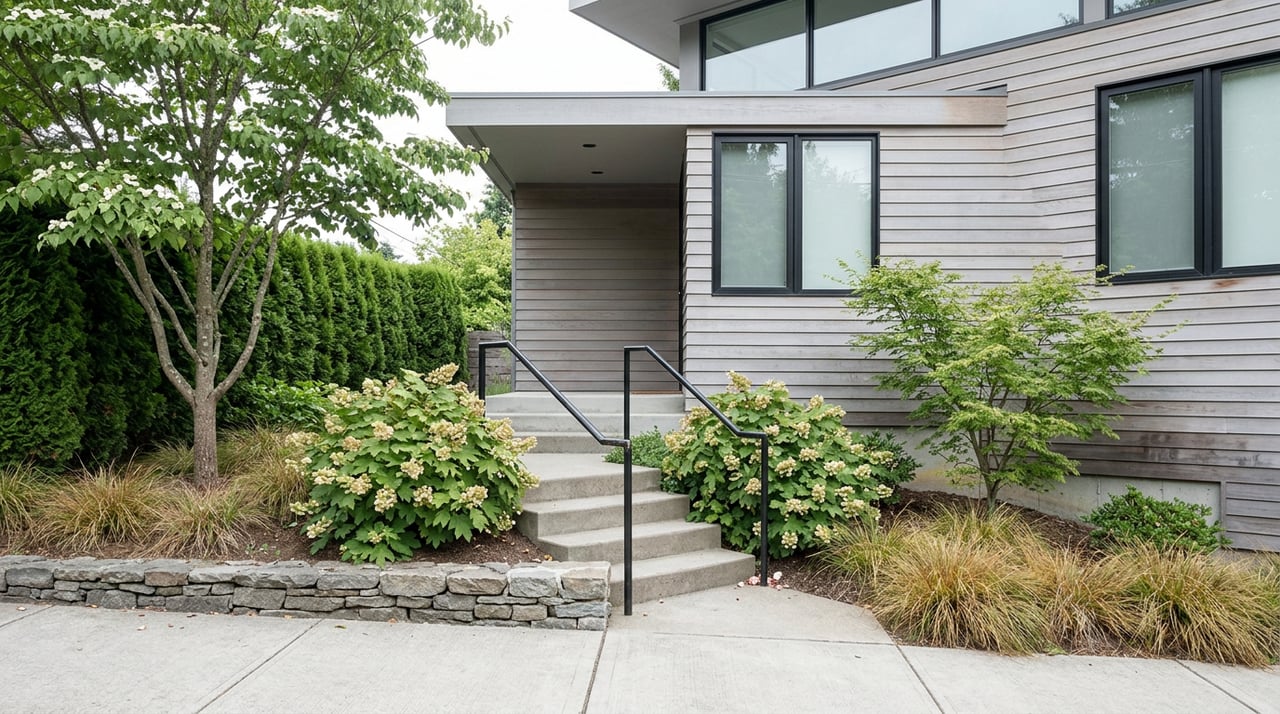
That aligns perfectly with Madison Park. A neat front garden, clean porch, and polished entry sequence can set the tone before a buyer ever opens the front door.
Use photography to tell the story
Online presentation matters more than ever. NAR’s marketing research found that 81% of buyers rated listing photos as the most useful online feature. Buyers’ agents also ranked photos, traditional staging, videos, and virtual tours as highly important.
For a Madison Park cottage, the first photo should not be an afterthought. It should be the image that best captures the home’s identity, whether that is a charming exterior, a porch framed by landscaping, or a lifestyle-forward shot that reflects the neighborhood’s connection to Lake Washington.
Seattle Parks describes Madison Park as a Lake Washington park and beach with nearby shopping and restaurants. That broader setting adds context to your sale. While your listing should stay focused on the home, good marketing can still help buyers imagine the daily rhythm of the area.
Time your launch for momentum
Listing at the right time is not about chasing a perfect date. It is about going live when your home is fully ready and buyer activity is building.
March 2026 NWMLS data showed showings were up 19% month over month and keybox accesses were up 24.5% as the market moved into spring. That points to late winter and spring as a natural launch window, especially once exterior cleanup and photography are complete.
If your cottage has outdoor charm, spring can be especially helpful. Gardens wake up, natural light improves, and buyers tend to respond well to homes that feel bright, cared for, and move-in ready.
Understand likely buyer motivations
A better sale strategy starts with understanding who may be shopping for your home. NAR’s 2025 generational trends report found that 23% of sellers moved to be closer to friends and family, 12% sold because the home was too small, and 11% sold because it was too large. The typical seller had lived in their home for 10 years, and the typical seller age was 64.
That profile suggests many cottage buyers may be looking for a home with emotional pull as well as practical function. Some may be downsizing from a larger property. Others may be move-up buyers looking for a well-located home with character.
Your marketing should speak to how the home lives today. That means showing usable rooms, easy flow, natural light, and the comfort of well-kept original details.
A confident selling plan for Madison Park
If you want to sell your Madison Park cottage well, the formula is usually not complicated. It is about making thoughtful choices in the right order.
A strong plan often looks like this:
- Review current detached-home comps in Madison Park and nearby areas.
- Identify the home’s most valuable character features.
- Tackle cosmetic fixes and curb appeal first.
- Avoid unnecessary remodel scope that could delay listing.
- Stage the main living spaces and entry experience.
- Invest in strong photography and clear listing presentation.
- Launch when the home is truly photo-ready.
That kind of process helps you stay focused on what buyers actually respond to. It also reduces the chance of overspending on prep that does not meaningfully improve your result.
Selling a cottage in Madison Park should feel intentional, not overwhelming. With the right pricing, thoughtful preparation, and marketing that honors the home’s character, you can move into the next chapter with clarity. If you want tailored guidance on how to position your home for today’s market, connect with theodora cornelia for a thoughtful, design-aware selling strategy.
FAQs
Do I need a full remodel before selling a Madison Park cottage?
- Usually not. Based on Seattle SDCI guidance, many cosmetic improvements can be done without permits, and targeted prep is often more practical than a large renovation before listing.
Which rooms matter most when staging a Madison Park cottage for sale?
- According to NAR’s staging research, the living room, primary bedroom, dining room, and kitchen are the most commonly staged rooms, with curb appeal also playing a major role.
Do Seattle permits matter when preparing a cottage for sale?
- Yes. Seattle SDCI notes that most renovations and alterations generally require permits, while many smaller cosmetic projects do not.
When is the best time to list a Madison Park home?
- A smart time to list is when your home is fully photo-ready and buyer activity is rising. Recent NWMLS data suggests late winter and spring can offer stronger momentum.
How should I price a Madison Park cottage in today’s market?
- Use recent local detached-home comps and current market conditions, since NWMLS data shows more inventory and a market where buyers can be selective.