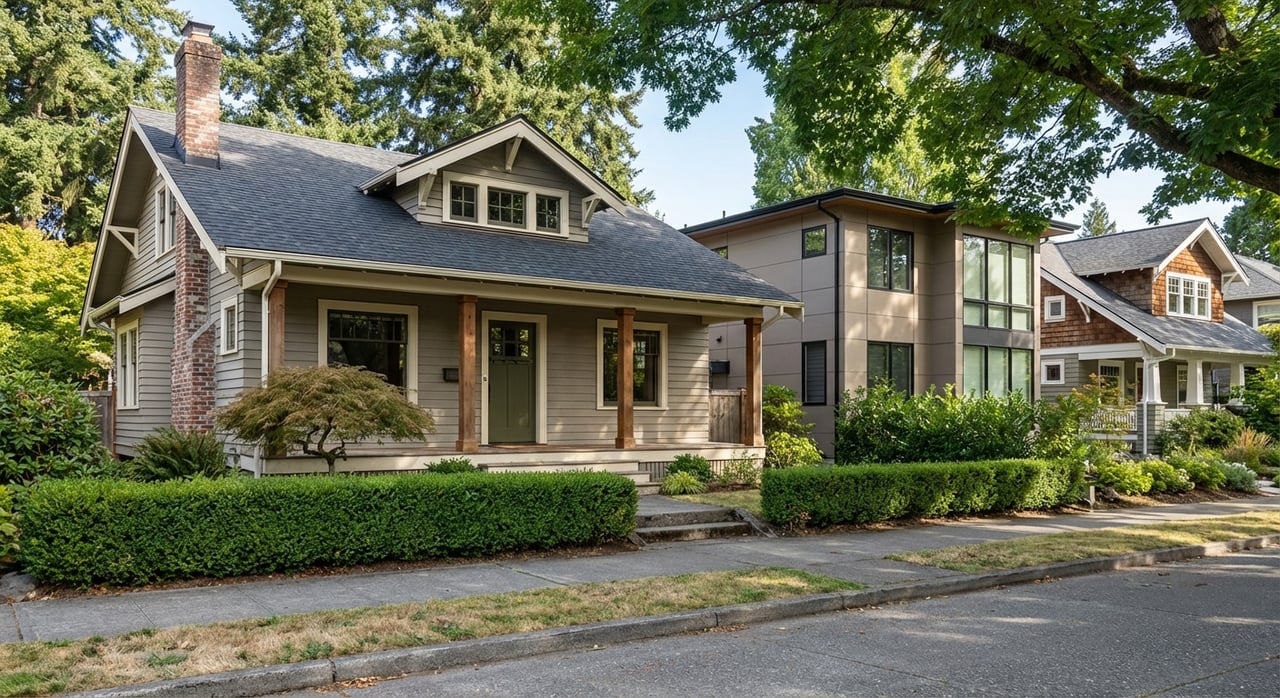
Wondering if Phinney Ridge is the right fit for your next home? If you love a walkable main street, quick access to parks, and classic Seattle architecture, this ridge-top neighborhood might be your sweet spot. In this guide, you’ll learn how the area feels day to day, what homes cost, how people get around, and practical tips to buy well. Let’s dive in.
Where it sits and how it feels
Phinney Ridge stretches along the hill between Ballard and Green Lake in north-central Seattle. Commonly cited boundaries include Aurora Ave N to the east, roughly N 75th–80th to the north, 8th Ave NW to the west, and N 50th to the south. The main commercial spine runs along Phinney Ave N, which becomes Greenwood Ave N north of N 67th. You can explore the area’s roots and ridge history through this overview from HistoryLink.
Locals often refer to the combined Phinney and Greenwood corridor as “PhinneyWood,” a compact, two‑mile stretch of independent shops, cafés, breweries, and small restaurants. The feel is friendly and low‑key, with a strong sense of community and quick access to the zoo and Green Lake. For a neighborhood snapshot from a local publication, see the Seattle Times’ perspective on community and access.
Parts of the ridge are steep due to its glacial origins, which is part of its charm and its topography. If a level yard matters to you, plan to assess specific blocks and slopes during tours. You can read a brief overview of the ridge’s terrain on Wikipedia.
Homes and what you’ll find
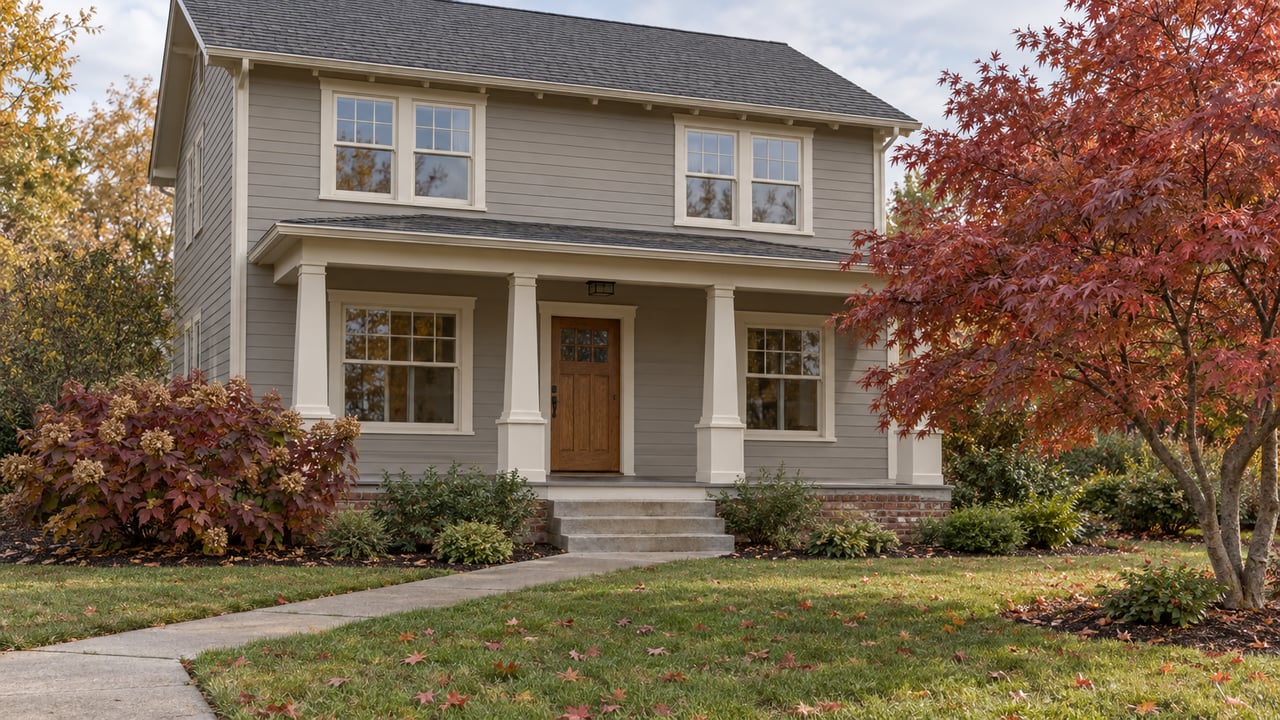
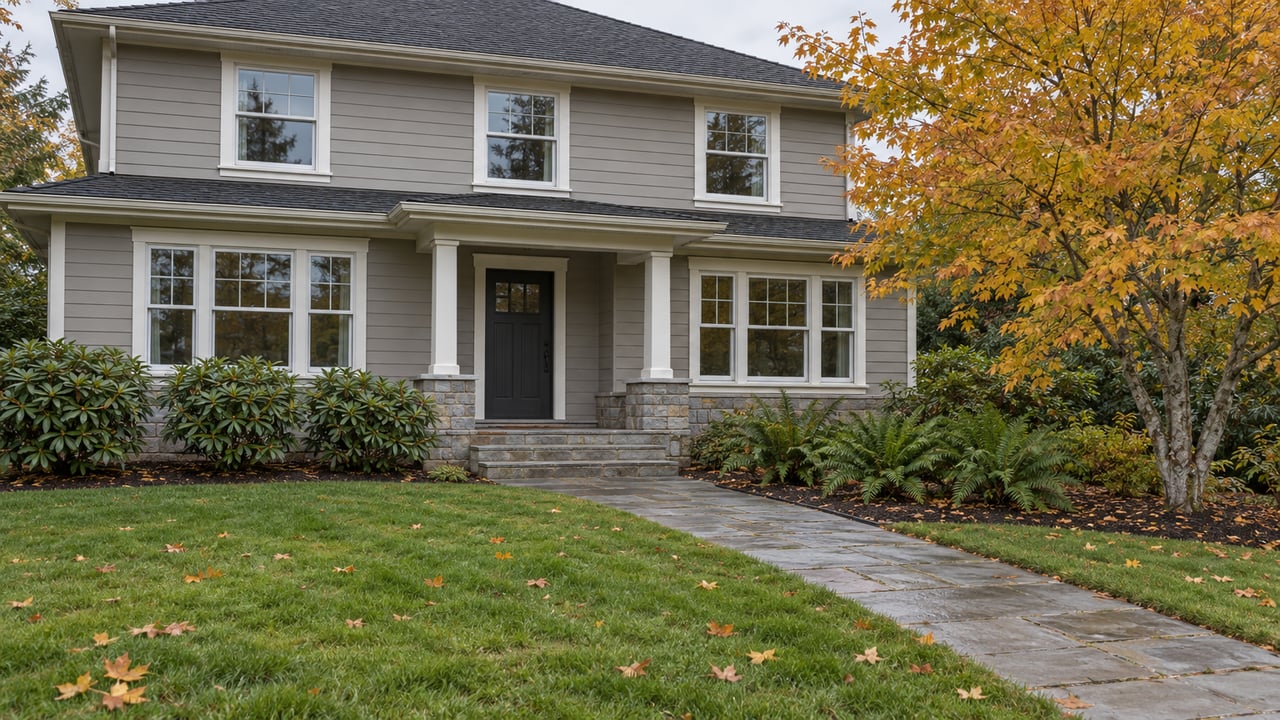
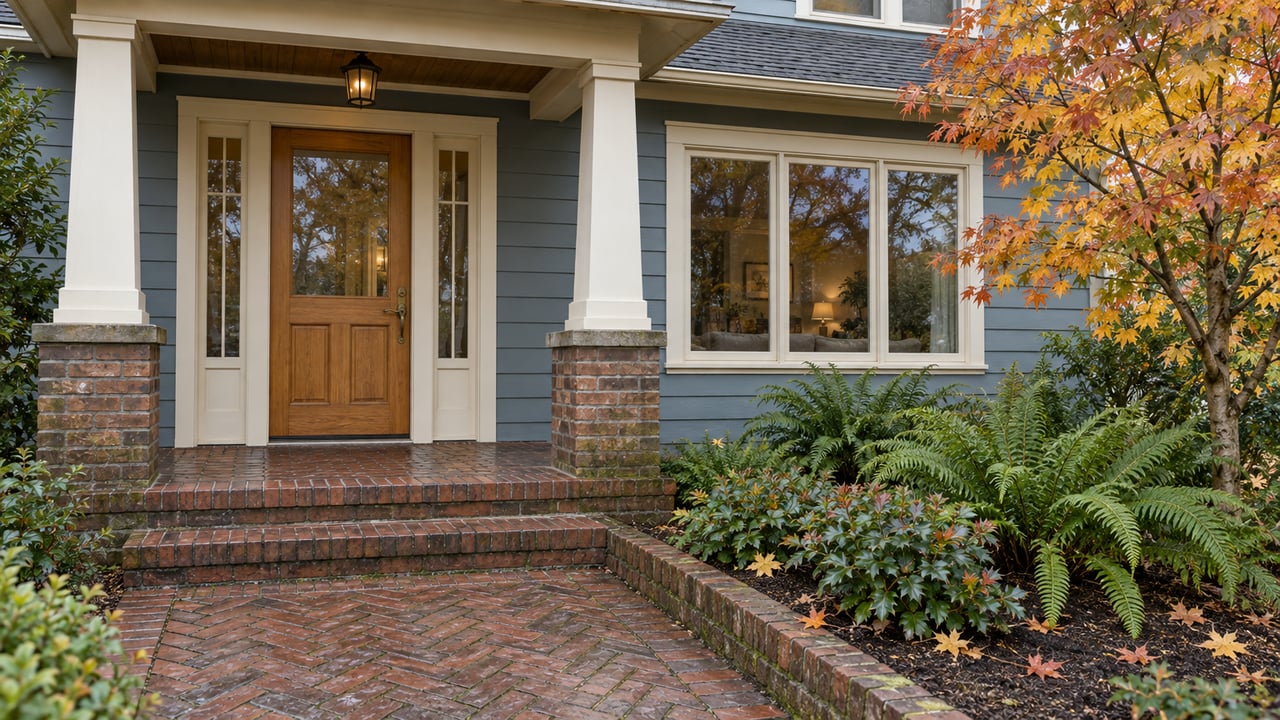
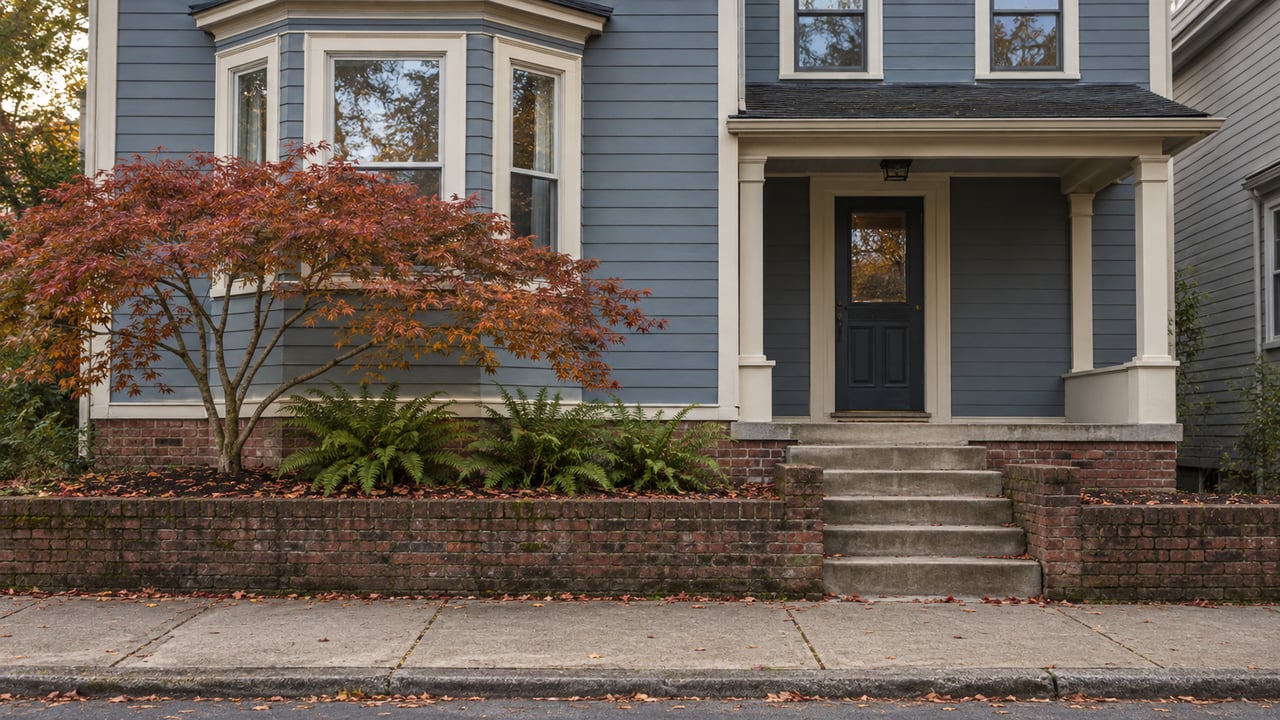
You will see a mix of early 20th‑century Craftsman bungalows and Tudors, midcentury ramblers, and classic box houses with updated interiors. Along the main corridor and on infill lots, you will also find newer townhomes, low‑rise condos, and small multifamily buildings. The historic pattern of growth along the ridge is well documented by HistoryLink.
Price snapshot and pace
Recent vendor estimates place the typical Phinney Ridge home value roughly in the mid to high $900s into the low $1.1Ms as of early 2026. For example, recent snapshots reported medians near about $1.02M to $1.05M, with some sources around $962K and others near $1.2M. The spread reflects different methodologies, time windows, and neighborhood map boundaries. Single‑family homes generally trade above condos and townhomes. Inventory is usually tight and days on market can be short, so preparation matters.
What drives value street by street
- Proximity to the Phinney/Greenwood retail corridor usually increases convenience value.
- Access to Green Lake and Woodland Park is a lifestyle plus for many buyers.
- Topography matters. Steeper blocks and hillside lots can affect usability, drainage, and parking. Review seller disclosures for slopes and easements and walk the site in person. A quick primer on the area’s slopes is available on Wikipedia.
- Parking rules can vary near the commercial spine, including potential RPZ zones. Ask your agent to check current restrictions.
Touring tips for buyers
- Walk the block at different times to gauge traffic, bus activity, and evening noise levels.
- Inspect outdoor areas for drainage patterns, retaining walls, and slope stability.
- For townhomes and condos, review HOA budgets, reserve studies, and any upcoming special assessments.
- For single‑family homes, confirm age and condition of major systems and consider pre‑inspection options in competitive scenarios.
Getting around
You have several practical ways to move through the city.
Bus corridors you will use
- Route 5 runs along Greenwood Ave N and Phinney Ave N and continues to downtown. It is a workhorse line for many residents. For rider patterns and usefulness, see Seattle Transit Blog’s overview of Route 5.
- Route 44 links Ballard to the U District with a stop near N 46th and Phinney, close to the zoo. The city has delivered transit‑priority upgrades on this corridor. Review planned and completed improvements on SDOT’s Route 44 project page.
- On the eastern edge, the RapidRide E Line along Aurora Ave N offers frequent, limited‑stop service toward downtown and Aurora Village. Learn more about the route on RapidRide E’s overview.
Light rail access
There is no Link station inside Phinney Ridge. Most riders connect to Link at Roosevelt or the U District via bus or a longer walk. For a quick reference to typical walking and transfer options, check Moovit’s neighborhood transit page.
Driving and commute patterns
Phinney Ridge is just west of Aurora Ave N and a short hop to I‑5. Off‑peak drives to downtown are commonly reported as quick, since the neighborhood sits about 6 miles from the city center. Peak trips across the Ship Canal or to the Eastside vary widely due to traffic. Eastside commutes use SR‑520 or I‑90, which are managed corridors with frequent congestion. For current Eastside project context and travel advisories, see WSDOT’s SR‑520 program page. For a neighborhood‑level view on location and access, the Seattle Times’ feature is a helpful read.
Parks, schools, and community life
Phinney Ridge sits beside two of Seattle’s most‑loved green spaces. The Woodland Park Zoo anchors the southwest edge and hosts events throughout the year. Green Lake is close for a quick run, paddle, or loop walk.
The Phinney Neighborhood Association is a community hub that runs classes, the summer Friday farmers market, and popular events like the Art Walk and Garage Sale Day. Explore programs at the Phinney Center.
Nearby public school feeders often include West Woodland Elementary, Hamilton International Middle School, and Ballard High School. Attendance areas can shift, so always confirm any address with Seattle Public Schools’ resources.
Who Phinney Ridge fits
- Buyers who want a walkable main street and easy access to parks.
- Home seekers drawn to classic Craftsman and Tudor architecture with updated interiors.
- Condo or townhouse buyers who want neighborhood life without a long commute.
- Downsizers who value a compact, amenity‑rich location near Green Lake.
Buy well in Phinney Ridge
Phinney Ridge can move quickly. A clear plan helps you stay competitive and calm.
- Get financially ready. Align your pre‑approval and discuss rate strategies and appraisal planning before you tour.
- Narrow your map. Focus on a few micro‑areas that fit your walkability, slope, and parking preferences.
- Understand pricing bands. Recent vendor medians range from the high $900s to low $1.1Ms, with single‑family above condo and townhome medians.
- Tour with intention. Preview disclosures, walk the slope, and time your visit during commute hours.
- Write with confidence. Use a clear offer timeline, strong earnest money, and the right contingencies for the home and your risk tolerance.
If you want guidance on financing structure, renovation scope, or how to weigh a classic home against a newer townhome, our team pairs mortgage fluency with hands‑on design experience to help you buy with clarity.
Ready to explore listings, refine your search map, or talk through offer strategy in Phinney Ridge? Reach out to theodora cornelia for local, data‑backed guidance tailored to your goals.
FAQs
Is Phinney Ridge walkable for daily errands?
- Multiple neighborhood guides report WalkScore in the mid‑80s, and the Phinney/Greenwood corridor concentrates cafés, shops, and services within a compact stretch.
What are typical home prices in early 2026?
- Recent vendor medians cluster from about $950K to roughly $1.05M, with some sources lower or higher due to methods and timeframes. Single‑family homes usually sit above condo and townhome medians.
How do most residents commute to downtown Seattle?
- Many take Route 5 on Phinney/Greenwood or the RapidRide E Line on Aurora for frequent service downtown. Depending on time of day and transfers, trips commonly fall in the 20–40 minute range.
Is there a Link light rail station in Phinney Ridge?
- No. Most riders connect to Link at Roosevelt or the U District via bus or a longer walk. Travel times vary by origin and time of day.
Which public schools typically serve Phinney Ridge?
- Nearby public feeders often include West Woodland Elementary, Hamilton International Middle School, and Ballard High School. Always verify attendance by address with Seattle Public Schools.
Are there parking restrictions near the main street?
- Some blocks near the commercial corridor use RPZ permits or have time limits. Check current signs and have your agent confirm RPZ boundaries during due diligence.